

What affects the price of 300mm loft insulation?
The price of 300mm loft insulation depends mainly on the loft’s size, the amount of material required and the installation work involved. Existing insulation, access conditions and any preparation needed can also affect the final quote.
The price of 300mm loft insulation depends on more than the stated insulation depth. The loft area, existing material, installation method and preparation requirements all influence the quotation.
The amount of insulation required
A larger loft needs more rolls or bags of insulation, so the material cost rises with the area being treated. The measured area may differ from the floor area shown on house plans because of eaves, divided sections and inaccessible edges.
Installers also need to establish how much insulation is already present. A loft with a sound existing layer may need a top-up, while a loft with little insulation may require more material to reach 300mm. The amount used therefore depends on the current depth, its condition and the coverage required.
The insulation material selected
Different insulation materials have different purchase and installation costs. The choice can depend on the loft’s shape, access route, the condition of existing insulation and the required finish.
Roll insulation may suit open areas with regular spacing. Loose-fill insulation can help around irregular sections, although installers must control its spread and keep it away from ventilation paths. Some materials need more careful cutting around pipes, cables and structural details.
Material pricing can also change according to whether the work uses one layer, several layers or a combination of products. A quotation should identify the proposed material and explain how it will achieve the required depth.
The condition of existing insulation
Old insulation does not always need complete removal. If it remains dry, clean and suitable for covering, Loftopia may be able to install additional insulation over it.
Removal may be needed where insulation is damp, contaminated, heavily compressed or unsuitable for further covering. This adds labour, handling and disposal work. The cost can also increase when material has been packed into awkward corners or placed beneath stored items.
Preparation inside the loft
Installers may need to clear sections before laying insulation. Preparation can include moving stored belongings, checking the loft floor and identifying pipes, cables, water tanks or ventilation routes.
Obstructions require careful fitting rather than simply laying material across them. Electrical equipment, recessed lighting and ventilation openings need particular attention. Insulation must not block airflow at the eaves or cover items that require access.
Minor preparation may form part of the installation. More extensive clearing, alterations or remedial work may appear as separate items on the quotation.
Access and working conditions
The loft hatch, ladder position and route into the loft affect how installers handle materials. A restricted hatch or difficult approach can make carrying and positioning insulation more labour-intensive.
A loft with limited headroom, multiple roof sections or narrow spaces may take longer to insulate than a clear, open area. These conditions are assessed during inspection rather than reliably priced from the property address alone.
Ventilation requirements
Insulation should not obstruct ventilation around the roof edges. Where existing airflow is restricted, the work may require ventilation measures or careful detailing at the eaves.
Any ventilation improvement adds to the cost because it involves extra materials and installation work. The need depends on the roof construction and what the inspection finds.
Storage and boarding requirements
300mm insulation occupies more vertical space than a shallow insulation layer. If you want storage flooring above it, standard joist-level boarding may compress the insulation and reduce its intended performance.
Loftopia can install LoftZone raised flooring where appropriate. This provides storage above insulation while maintaining the necessary insulation depth beneath the raised floor. The price then reflects both the insulation work and the specified storage area.
Partial boarding costs less than boarding the whole loft because it uses fewer raised-floor components and involves less installation. Shelving, lighting or access upgrades are separate choices within a complete loft storage package.
What to check in a quotation
-
the loft area included in the measurement;
-
the proposed insulation material and target depth;
-
whether the price covers a top-up or removal and replacement;
-
preparation, clearing and disposal charges;
-
ventilation work or other necessary adjustments;
-
any raised flooring, access work or storage accessories requested;
-
whether VAT and all installation costs are included.
A survey gives a more reliable 300mm loft insulation price than a simple rate multiplied by floor area. Loftopia can assess the existing layers, roof layout and access arrangements before setting out the work included in the quotation.
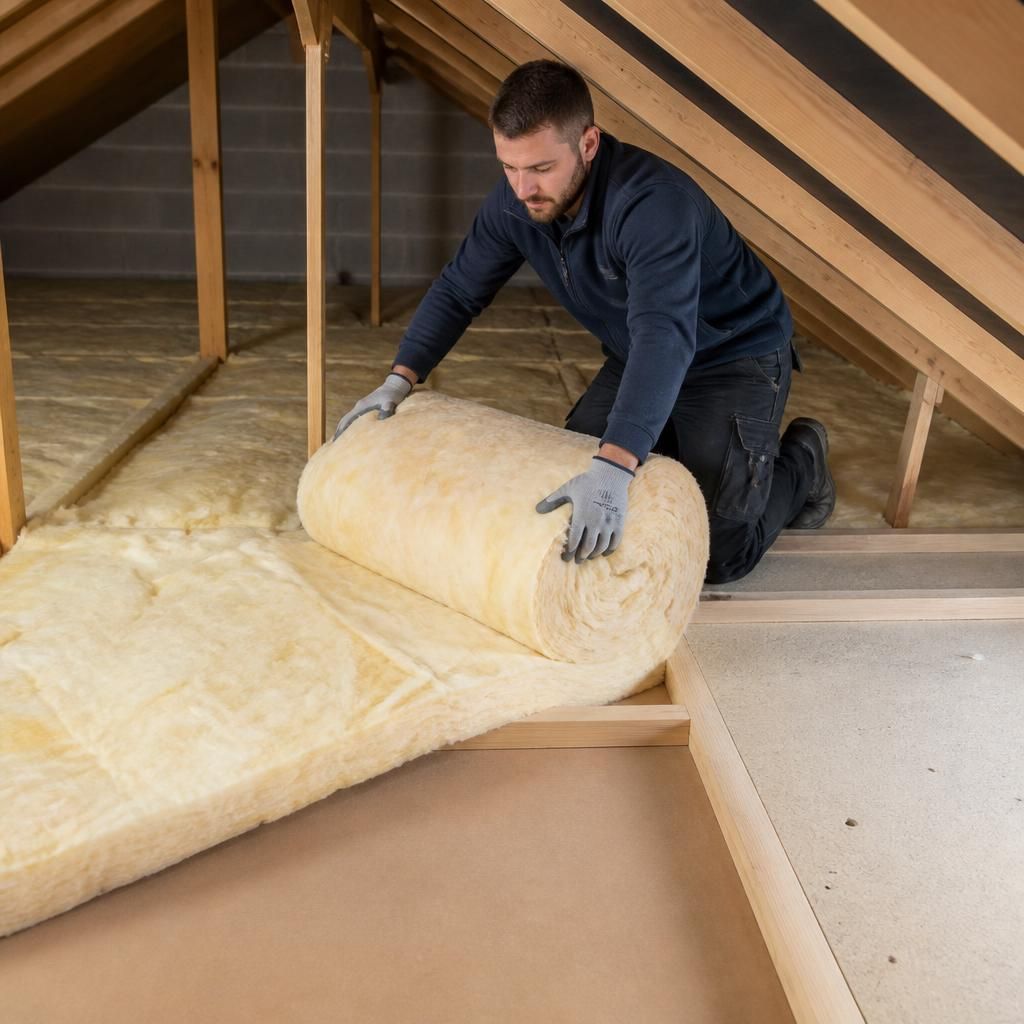
A 300mm specification should be compared with the finished scope, not just the material price. Check that the quotation states where the insulation will reach that depth and identifies any areas requiring a different treatment.
This helps separate a straightforward insulation installation from work involving detailed roof edges, restricted sections or additional preparation. It also shows whether the quoted figure covers the complete area you want treated.