
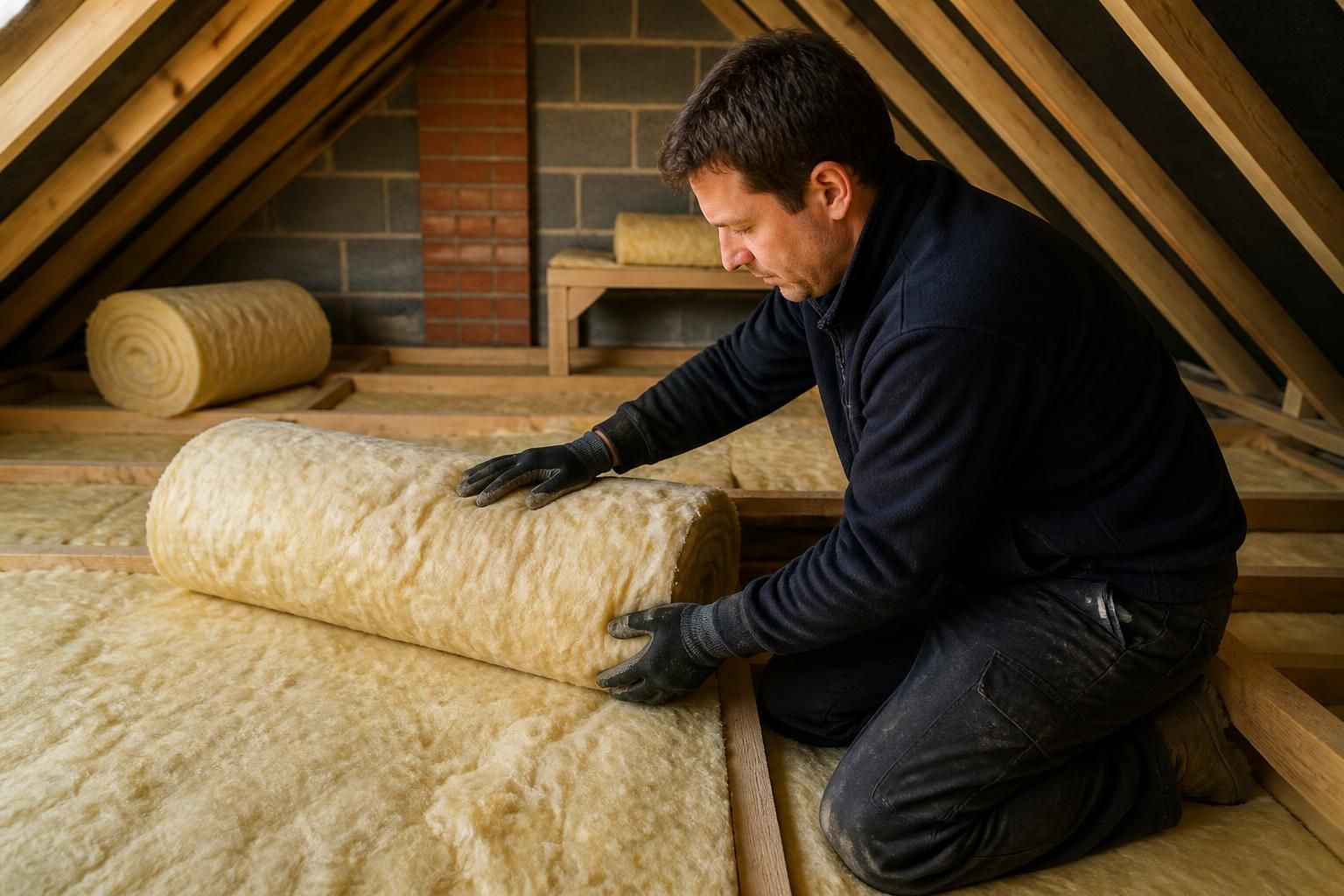
Will replacing old loft insulation affect my home's warranty?
Replacing old loft insulation does not automatically invalidate your home’s warranty, but warranty terms may require approved materials, suitable installation and no damage to the property. Check the terms before work begins, and keep records of the insulation used and installation carried out.
Replacing loft insulation usually affects the warranty only if the work breaches specific warranty conditions or causes damage. Removing and renewing insulation is normally maintenance, rather than a structural alteration. The exact position depends on the warranty provider, the property’s age and the wording of the policy.
New-build warranties often separate structural defects from problems caused by later alterations. Replacing insulation should not normally cancel cover for unrelated parts of the home. However, the provider may refuse a claim if the work has damaged roof components, blocked ventilation or used unsuitable materials.
Check the warranty documents before arranging work. Look for clauses covering:
- alterations to the roof space or ceiling structure;
- approved materials or installation methods;
- ventilation around the roof covering and eaves;
- damage caused by contractors or later work;
- requirements to notify the builder or warranty provider.
Ask the warranty provider or builder for written guidance where the terms are unclear. Describe the planned work accurately, including insulation removal, replacement, raised flooring or changes around the loft hatch. Keep the reply with the property records.
Installation can also affect future claims if the work hides a defect or prevents inspection. For example, insulation should not cover roof leaks, defective wiring or ventilation routes. A suitable inspection before removal helps identify these issues and records the condition of the loft.
Professional work should protect the parts of the home covered by the warranty. We assess the loft before installation, work around services and retain suitable ventilation. We also avoid placing raised flooring directly on deep insulation, which helps preserve its intended depth.
Keep an information file after the work. Include:
- the insulation type and product information;
- the installation date and area completed;
- photographs taken before and after installation;
- the quotation, invoice and written scope of work;
- any advice received from the warranty provider or builder.
These records help show what changed and how the work was carried out. They may also help if a later inspection needs to distinguish an original construction issue from a maintenance alteration.
Loftopia can discuss the insulation, access and storage requirements together where the loft also needs boarding. We explain which areas require attention before work begins, so the planned installation can be considered alongside warranty requirements.
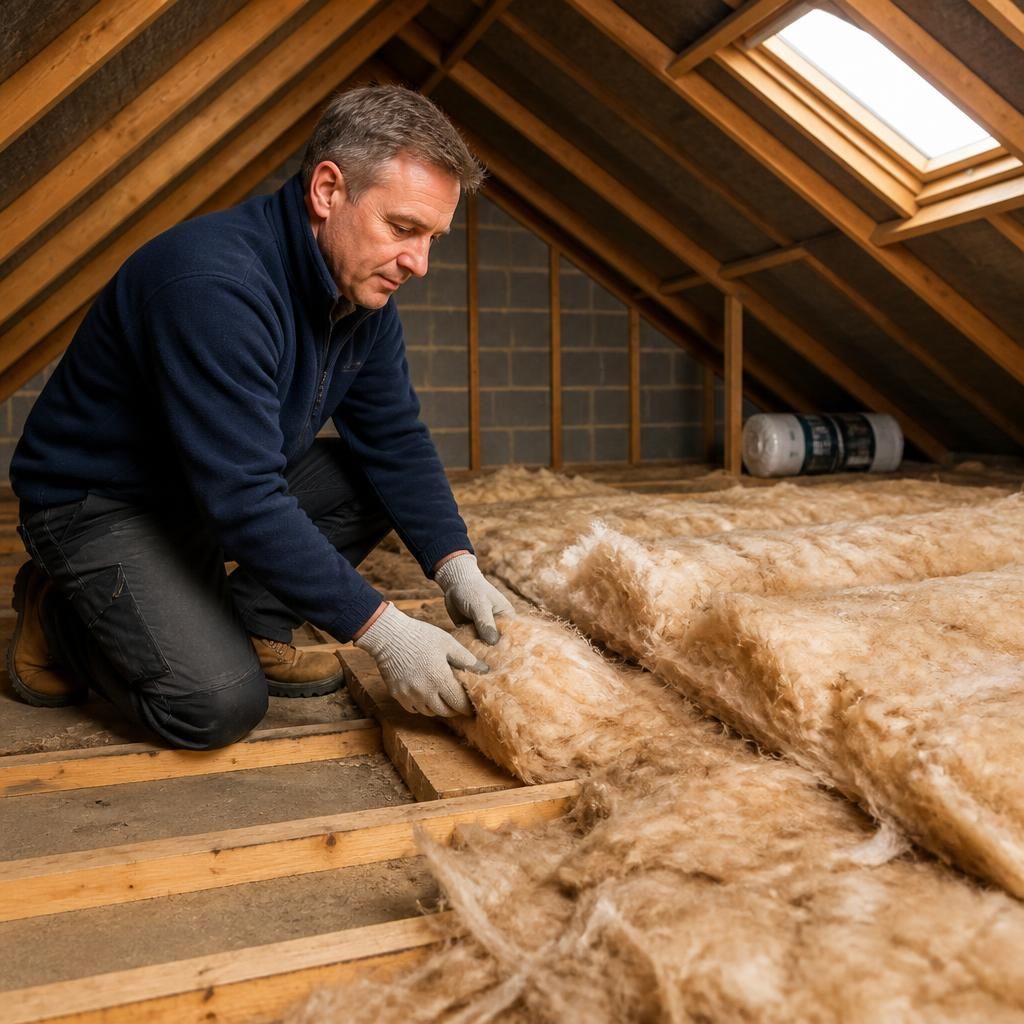
Warranty terms may treat the roof covering, structural elements and internal finishes differently. Read the section that applies to the roof space, rather than assuming one general condition covers every part of the home.
If the wording refers to alterations, check how it defines them. Removing insulation alone may be treated differently from adding raised flooring, changing the hatch or altering fixed components. This distinction can affect what the provider expects before work starts.