
What load rating should a telescopic loft ladder have?
Choose a telescopic loft ladder with a manufacturer’s load rating that exceeds the combined weight of the person using it and anything they carry. Check the rating, locking mechanism and installation requirements together, because the ladder must be secured to a suitable hatch and supporting structure.
A telescopic loft ladder should have a manufacturer’s load rating suitable for the heaviest normal use, including items carried while climbing. Treat the stated rating as a maximum limit, not a target operating weight.
The rating normally describes the load the ladder can support when it is correctly installed and used as instructed. It does not automatically confirm that the loft hatch, frame, fixings, floor or surrounding structure can support the same load.
Check the manufacturer’s instructions for the conditions attached to the rating. These may include:
- Fully extending each ladder section before use.
- Engaging every locking mechanism correctly.
- Positioning the ladder at the specified angle.
- Placing the feet on a stable, level surface.
- Keeping the ladder within the stated operating position.
- Inspecting the ladder before climbing.
A rating can be misunderstood if it is treated as a general measure of strength. The figure usually applies to a correctly positioned ladder under normal climbing conditions. It does not make damaged, partially extended or poorly supported equipment safe to use.
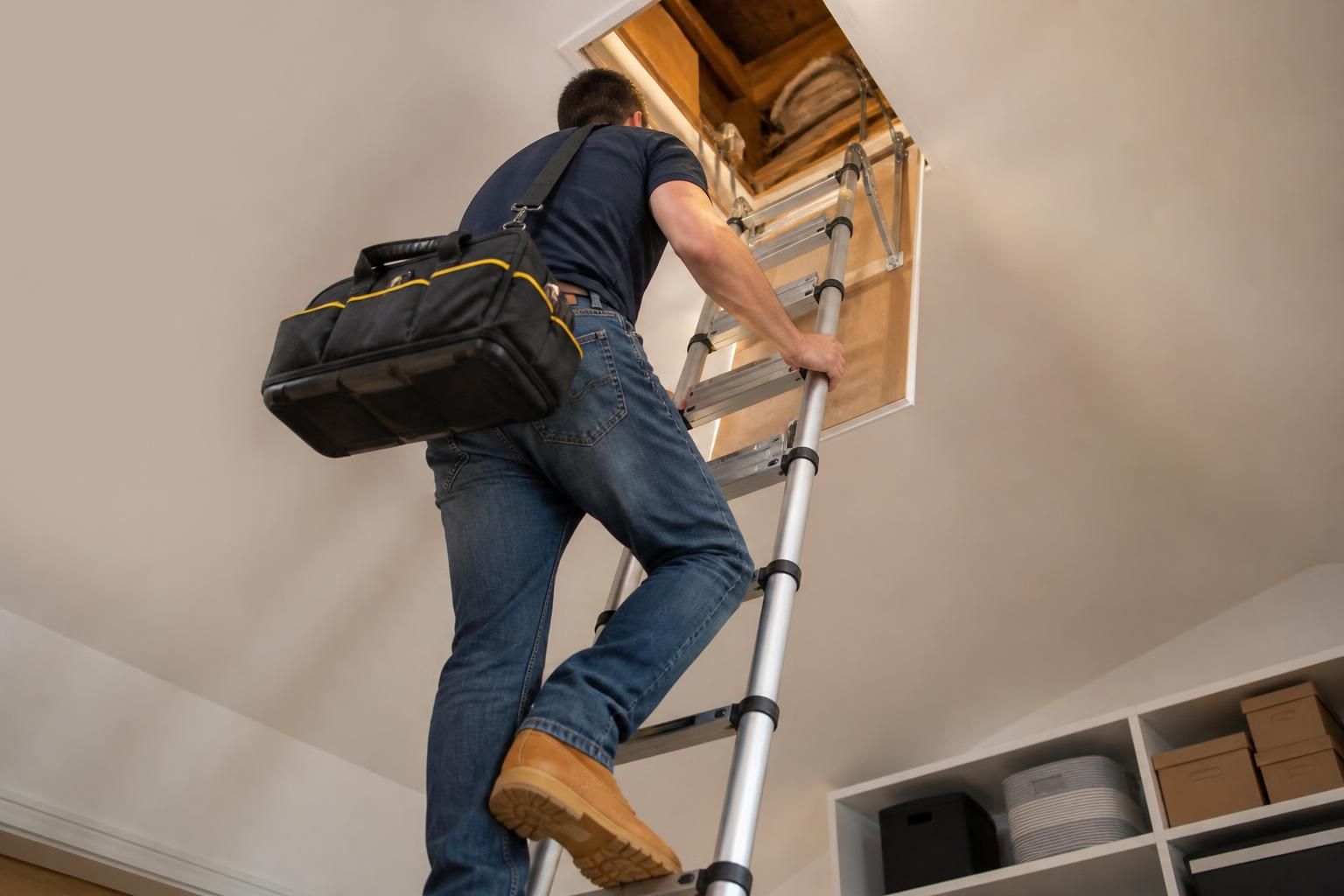
Consider the way the ladder will be used. Climbing without a load creates a different situation from climbing with a box, suitcase or storage container. Bulky items can affect balance and make it harder to hold the ladder securely, even when their weight remains below the stated rating.
Use both hands on the ladder where possible, and move awkward items separately. Do not use the load rating as permission to carry heavy or unstable objects while climbing. The rating also says nothing about how much weight can be stored in the loft.
The ladder rating should be considered alongside the hatch and its frame. A telescopic ladder transfers force through its fittings into the surrounding structure. A suitable ladder can still be unsuitable if the hatch construction, fixing points or installation arrangement do not match the manufacturer’s requirements.
The rating should also suit the people who will use the loft. Consider the heaviest regular user, clothing, footwear and any item carried during access. Occasional use by a different person should not exceed the stated limit.
Do not select a ladder from appearance, section count or compact size alone. Read the product label and installation information, then compare the stated rating with the planned use. Ask for clarification if the documentation does not explain how the rating applies.
Loftopia can assess the access arrangement and specify an aluminium sliding loft ladder alongside a suitable hatch and supporting structure. Installation checks should confirm that the ladder opens correctly, locks fully and reaches a stable landing position.
Load rating is one part of safe access. Correct installation, secure locking, suitable clearance and sensible handling of stored items all affect how the ladder performs in the loft.
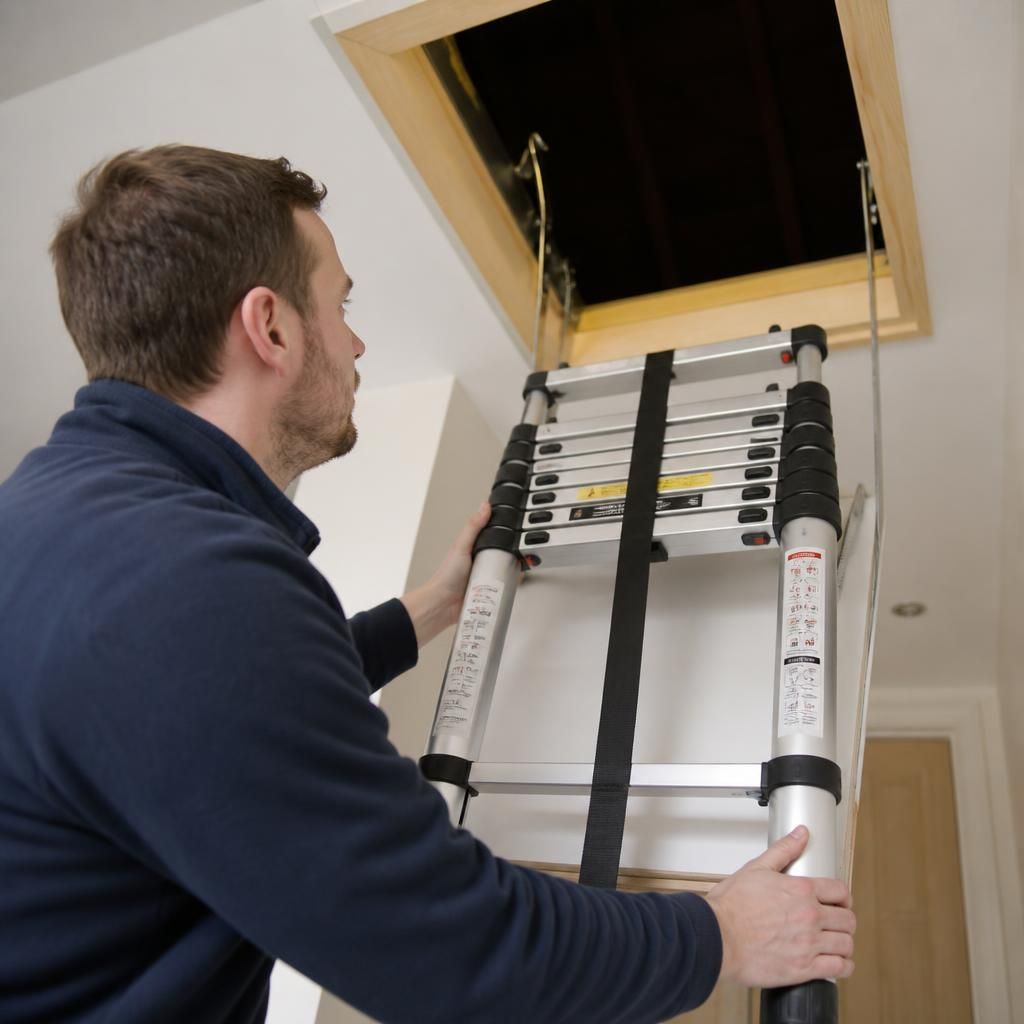
Check the load rating on the ladder’s own label and model-specific instructions, rather than relying on a general product description. Keep the installation information available so the stated limit can be checked if the ladder is moved, adjusted or repaired.
If the documentation does not clearly state the permitted load or installation conditions, pause before fitting the ladder. Loftopia can review the product information as part of an access assessment and explain what the rating means for the proposed installation.