
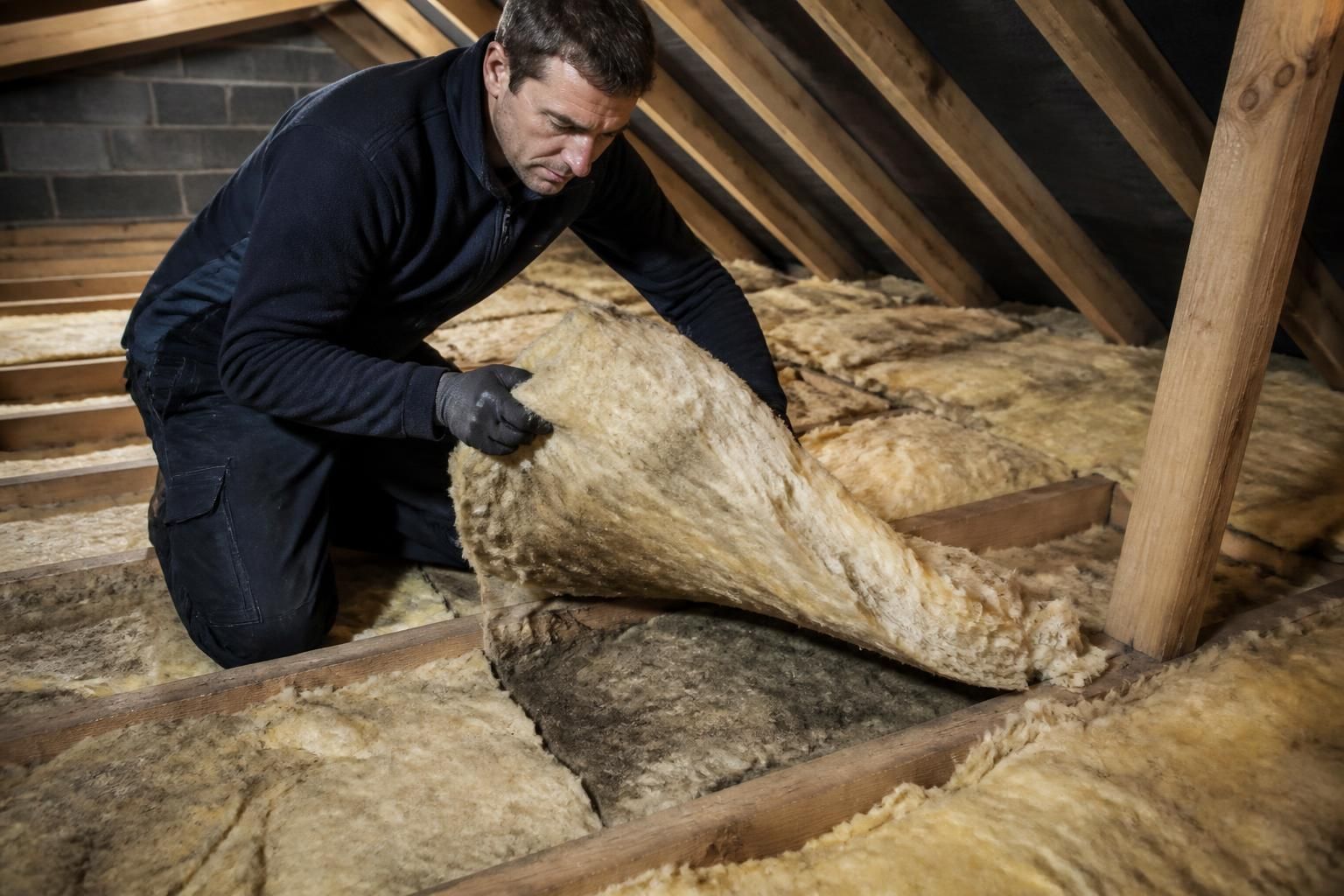
Loft Insulation Not Working
When loft insulation is not working, the cause may be compression, damp, gaps or poor airflow. We can assess the insulation, explain how maximum loft insulation levels affect an EPC rating, and identify practical improvements.
Specialist Knowledge of Loft Insulation Performance
We assess loft insulation in context, considering its depth, condition, placement and relationship with the roof structure. This helps separate an installation limitation from a maintenance issue or an unsuitable arrangement.
Our advice reflects how insulation performs alongside boarding, ventilation and access work. We identify where changes could affect heat retention, storage space or the practical use of the loft.
We explain what the inspection findings mean for household energy performance, including how maximum loft insulation levels may influence an EPC rating. You can then compare remedial work with a clear understanding of its purpose.
Match the Insulation Problem to the Right Action
Different signs can point to different causes, so the appropriate work depends on what you find in the loft. Use these scenarios to identify the likely next step without disturbing insulation unnecessarily.
We can explain whether a top-up, moisture-related repair, ventilation adjustment or replacement is appropriate, and how it may affect storage above the insulation.
What to Check When Loft Insulation Underperforms
Compressed or flattened insulation
Compression reduces insulation depth and can leave cold areas. We check the affected sections before recommending a top-up or raised support for storage.
Damp or wet insulation
Damp insulation may indicate a roof leak, condensation or another moisture issue. We identify the affected area and explain which repair should come first.
Gaps and uncovered sections
Gaps around edges, cables, pipes or the loft hatch allow heat to escape. We trace missing coverage and assess how insulation can be reinstated safely.
Poor airflow at the eaves
Insulation blocking eaves ventilation can contribute to condensation and reduced roof-space performance. We check airflow routes before adjusting insulation or storage areas.
Insulation disturbed by storage
Loose boards or stored items can compress insulation and restrict ventilation. We assess the arrangement and explain how raised flooring can provide storage above insulation.
A Loft Floor Can Hide an Insulation Problem
An EPC rating does not measure loft insulation alone. Heat loss through the hatch, ceiling junctions and other parts of the home can limit the effect that insulation improvements have on the overall result.
Adding more material is not always the right response. Maximum loft insulation levels depend on the roof construction, ventilation details and access arrangements, so excessive work can create practical complications without addressing the main source of heat loss.
Storage plans can also affect performance. We use LoftZone raised flooring to provide storage above insulation, while an insulated drop-down hatch helps reduce heat loss at the loft entrance without removing access to the space.
Practical Details That Improve Loft Insulation Performance
Small details can determine whether loft insulation performs as intended. The following features address heat retention, safe access and practical use, helping you understand how each part supports an effective loft arrangement without relying on unnecessary alterations.
Condition of Existing Material
We inspect for flattened, displaced or contaminated insulation, because damaged material may provide less consistent coverage across the loft ceiling.
Moisture Source
We check damp insulation alongside the surrounding roof space. Identifying the source helps prevent new material being affected by continuing moisture.
Insulation Around Services
We review areas around pipes, cables and other ceiling penetrations, where incomplete detailing can allow heat to escape around the insulation.
Roof Perimeter Detail
We examine insulation near roof edges and other restricted areas, where limited access can leave sections thinner than the main loft area.
Top-Up Compatibility
We assess existing materials before recommending a top-up, helping ensure the proposed work suits the loft construction and does not create avoidable complications.
Ventilation Protection
We check that insulation work does not obstruct intended ventilation routes, helping the roof space manage moisture while retaining heat below.
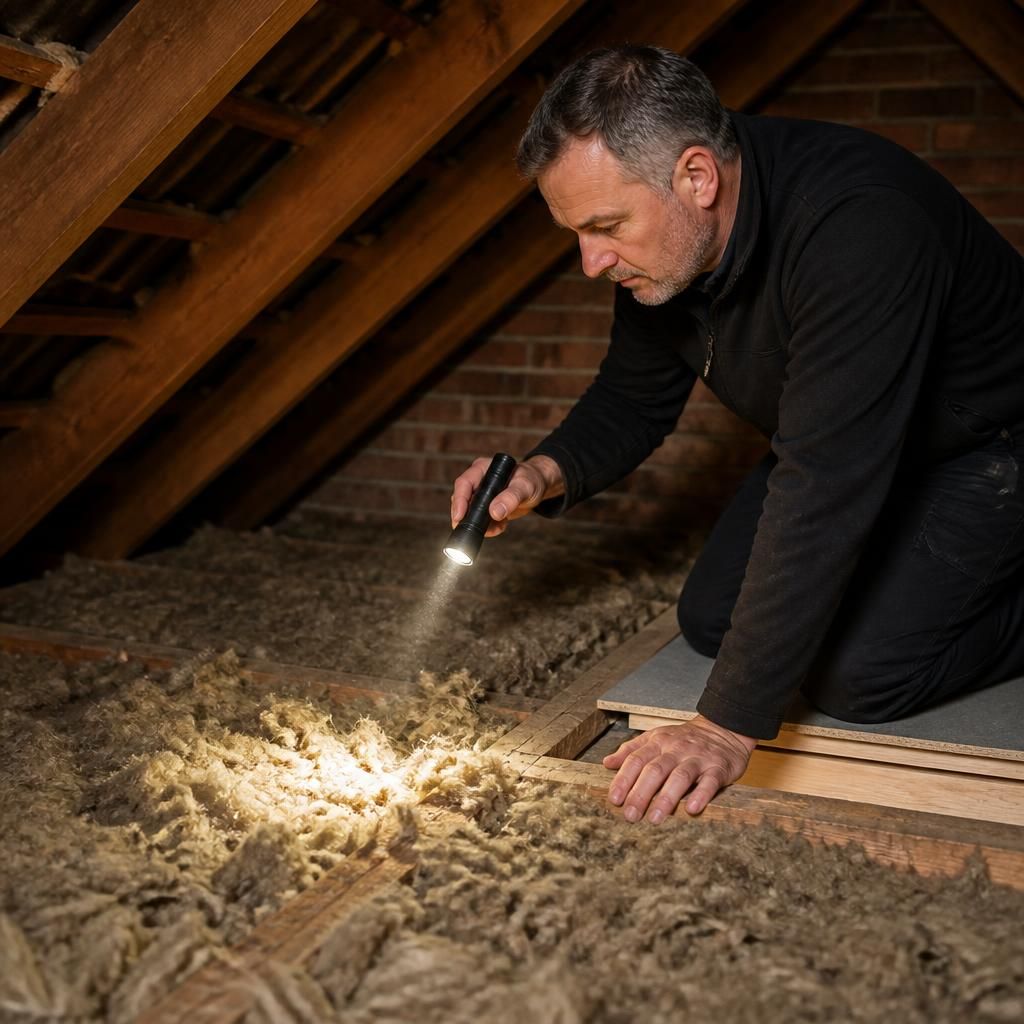
A Careful Look at Your Loft Insulation
Loft insulation can be difficult to judge from the hatch, particularly when the visible surface gives little indication of its overall performance. We take time to understand what you have noticed inside the home.
We examine the loft arrangement carefully and explain our observations in plain language. That may include distinguishing an insulation concern from heat loss elsewhere, so you can understand what requires attention before work is considered.
Our approach is practical and measured. We protect the surrounding area, work carefully around existing features and keep the purpose of each recommendation clear. The result is informed advice based on the condition of the loft, rather than adding material without understanding the cause.
Questions About Loft Insulation Performance
Why is loft insulation not improving your EPC rating?
Loft insulation may underperform when compressed, damp, interrupted or poorly ventilated. Checking the complete loft arrangement identifies whether additional insulation, repairs, ventilation changes or heat-loss measures are appropriate in practice.
How do you know when loft insulation is no longer effective?
Cold ceilings, visible thinning, displaced material and draughts around the hatch can indicate that insulation is performing poorly. Persistent moisture, staining or damage warrants inspection before further insulation work begins.
Can maximum loft insulation improve an EPC rating?
Adding insulation can improve heat retention and may support a better overall EPC rating, but maximum levels depend on construction, ventilation and access; assessment confirms whether further material is appropriate.
Does loft insulation lose effectiveness over time?
Insulation can become less effective as materials settle, deteriorate or become disturbed during later work. A loft assessment identifies its condition and whether targeted replacement or topping-up is currently appropriate.
Can poor loft ventilation make insulation less effective?
Inadequate loft ventilation can restrict airflow at the eaves, increasing condensation risk and affecting insulation condition. We check routes, moisture signs and roof details before recommending any changes where necessary.
Loft Features That Support Insulation Performance

Check Around Tanks and Pipework
Water tanks and pipework can interrupt insulation coverage or require clearance for maintenance. We inspect these areas before adding, moving or topping up material.
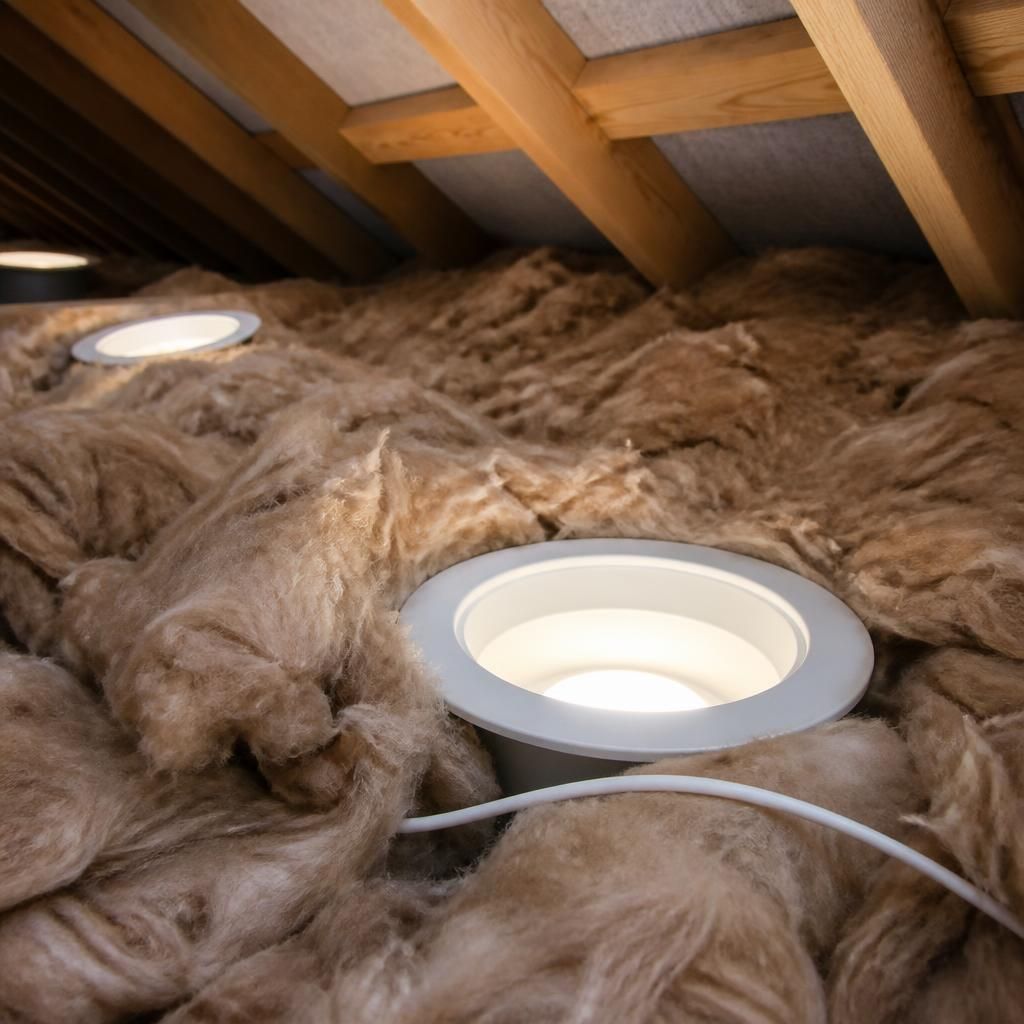
Allow for Recessed Downlights
Recessed downlights need careful attention because insulation must not be placed without considering the fitting and surrounding space. We check the arrangement before recommending changes.
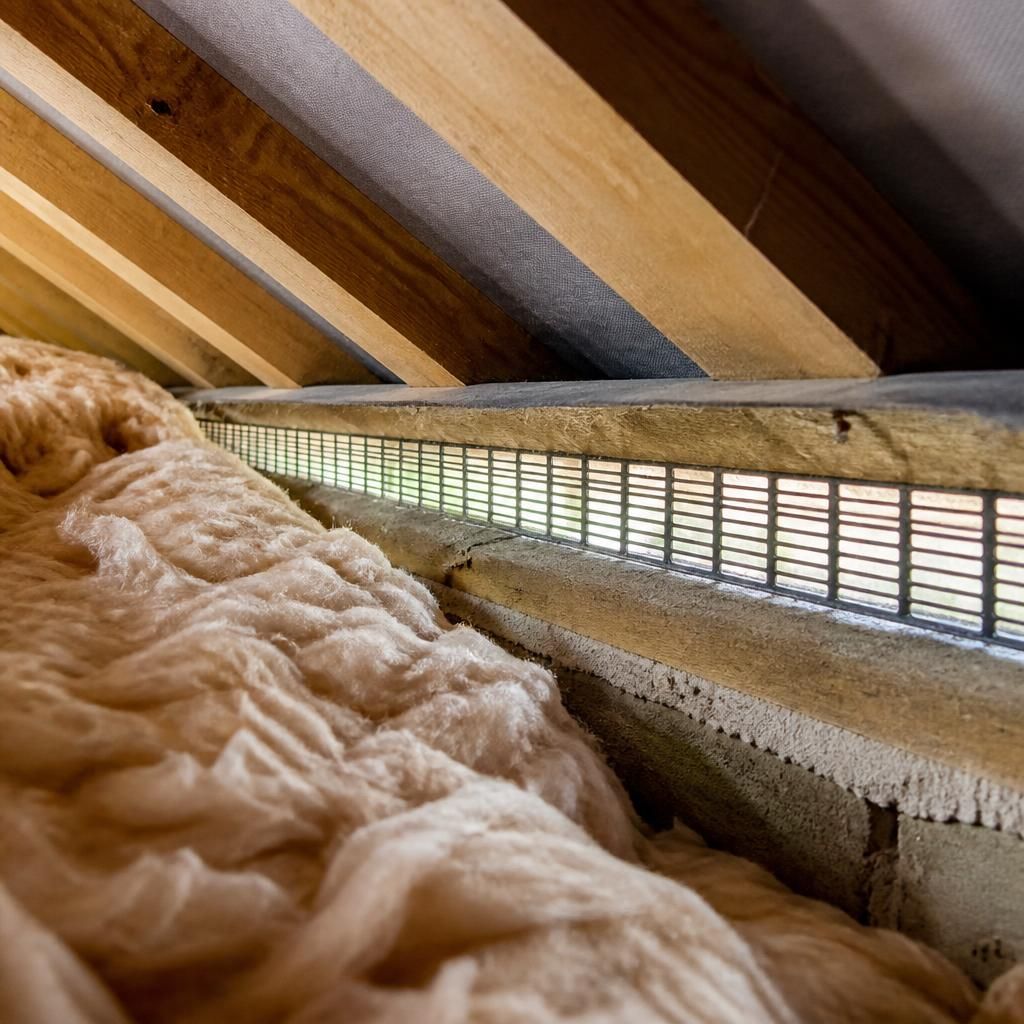
Keep Ventilation Paths Clear
Blocked ventilation can affect how the loft performs and may contribute to damp concerns. We look for clear airflow routes at the roof edges and around insulation.
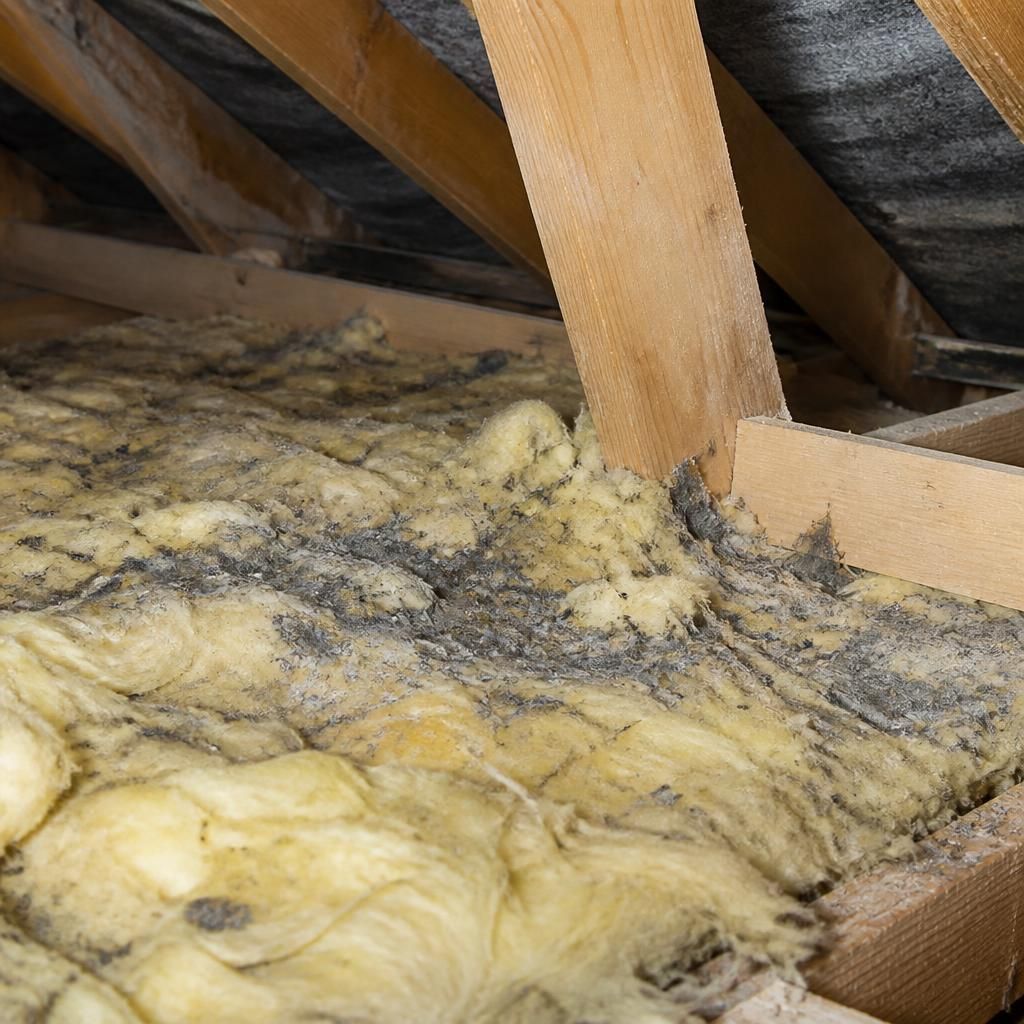
Investigate Damp Insulation
Damp or disturbed insulation may indicate a separate roof, pipework or condensation issue. We assess the surrounding area before treating the insulation as the cause.

Raise Storage Above Insulation
LoftZone raised flooring creates storage above insulation without relying on compressed material for support. We consider the existing insulation, roof structure and intended access before planning the layout.
Storage Above Insulation
We use LoftZone raised flooring to create storage above insulation without compressing existing insulation, protecting thermal performance while making access practical.
Questions to Ask When Loft Insulation Is Not Working
Has your loft insulation been installed correctly?
An EPC assessment considers insulation alongside ventilation, heating and building fabric. Maximum loft insulation may help where heat loss remains significant, provided installation preserves airflow and access around existing services.
Could uneven loft insulation be causing heat loss?
Uneven insulation can leave exposed areas where heat escapes, but adding material blindly may obstruct ventilation or services. We inspect coverage, depth and condition carefully before recommending targeted remedial work.
Should existing loft insulation be removed before adding more?
Removal is not automatically necessary. We assess whether existing material is dry, clean and suitably positioned, then identify contamination, deterioration or excessive layering before recommending further work to improve performance.
Could air leakage around the loft hatch make insulation seem ineffective?
An unsealed hatch can allow warm air into the loft, increasing draughts and reducing comfort below. We inspect the fit, insulation and surrounding seal before recommending remedial work where needed.
Could the wrong insulation material be why your loft is not performing?
Different insulation materials have different thermal, moisture and fire characteristics. We assess suitability alongside existing construction, ventilation and services before recommending changes, rather than adding maximum loft insulation indiscriminately alone.