
Loft Insulation Rolls
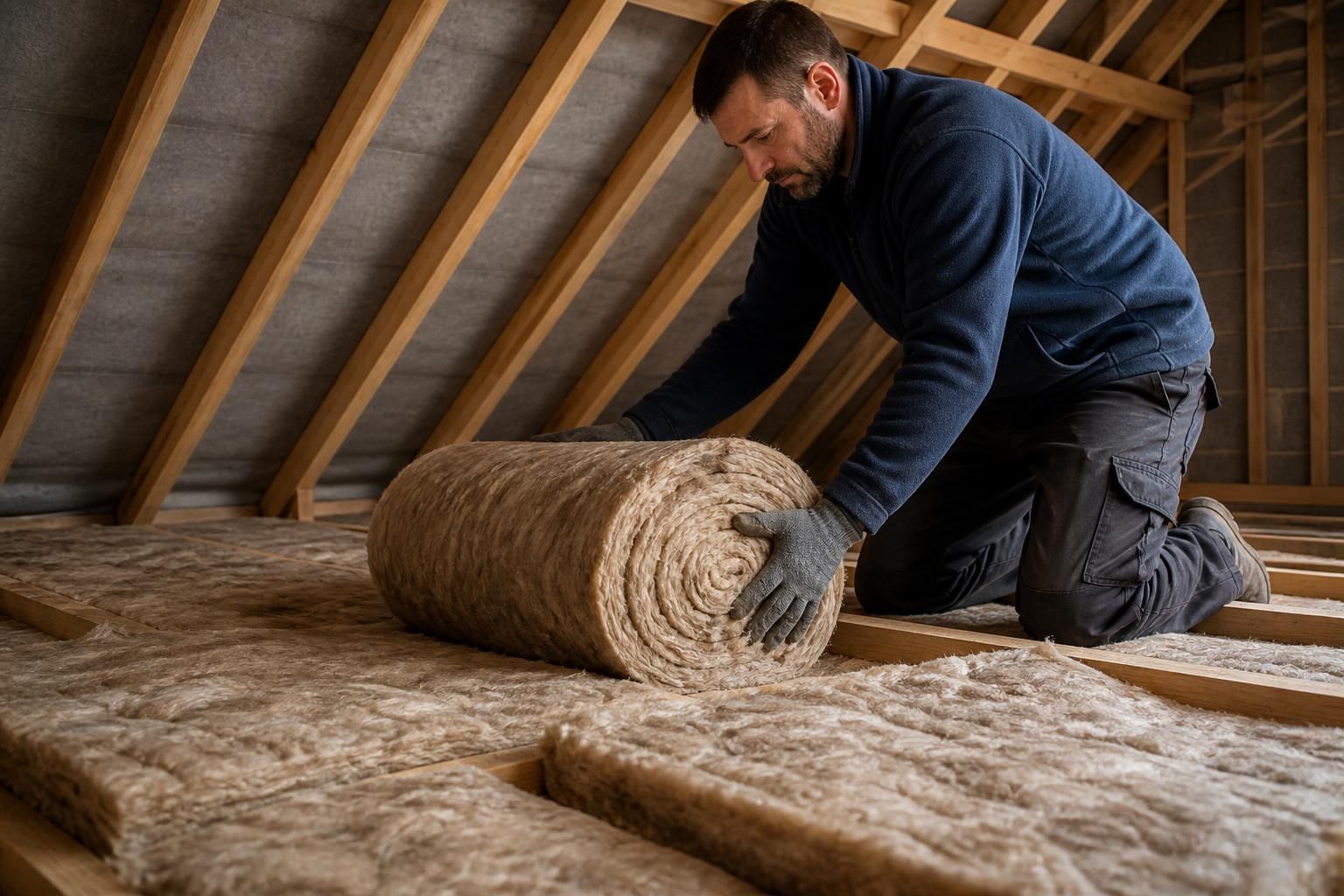
Loft insulation rolls provide a practical way to retain heat in your home. We can assess existing insulation, identify suitable thicknesses and explain how raised flooring can create storage without compressing the insulation.
Specialist Guidance on Loft Insulation Rolls
Our experience with loft insulation rolls covers the practical differences between base layers, top-ups and quilted materials. We consider how each layer sits between and over joists, rather than treating every loft as an empty, level area.
We install rolls with attention to joins, edges and obstructions around the loft. We keep ventilation paths clear and avoid compressing the material, because fitting details affect thermal performance and the condition of the roof space.
Where storage is required, we coordinate insulation with raised flooring, access and lighting. This joined-up planning provides measured advice on material depth and avoids choosing a roll solely by price per pack.
Choose the Right Loft Insulation Roll for Your Loft
Loft insulation rolls come in different thicknesses and formats. The suitable choice depends on existing coverage, available clearance and how you use the loft.
The boxes below compare topping up existing insulation with insulating an uncovered loft. We explain what each roll is intended to do, helping you assess fit before choosing material or arranging installation.
Match the Loft Insulation Roll to Your Loft
An uncovered loft
Base-layer insulation rolls sit between the joists where coverage is absent. We check the loft structure and available depth before recommending material.
Existing insulation needs topping up
Top-up rolls add insulation above an existing layer where coverage or depth is insufficient. We assess the current material before adding further layers.
Deep insulation already present
Quilted rolls can suit lofts where insulation depth and roof-space clearance need careful assessment. We avoid compressing the material and keep ventilation paths clear.
Storage is part of the plan
A suitable insulation roll can be coordinated with LoftZone raised flooring, creating storage above insulation. We plan the insulation, access and flooring together.
A Loft Insulation Roll Is Only Useful Where It Fits
An overlooked issue is what happens after insulation is laid. Pipes, cables, tanks and roof supports may still need inspection, while continuous rolls can hide their positions. Planning clear access points helps you avoid disturbing more material than necessary.
Existing insulation should also be checked before adding another layer. Damp, displaced or damaged material may need attention first, so choosing a thicker loft insulation roll is not always the appropriate starting point.
Roll quantities depend on the loft’s measurements, obstructions and areas requiring coverage. Allowing for cuts and practical access gives a more realistic view of loft insulation price per roll than comparing pack prices alone.
Features That Affect Loft Insulation Roll Choice
Look beyond the roll’s stated thickness when comparing products. Width, handling, cutting, compression, vapour control and installation method can affect fitting and finished coverage. These practical details help you judge which insulation roll suits the loft.
Thermal performance
The stated thermal performance indicates how effectively a loft insulation roll reduces heat loss. Comparing this information helps you assess suitable coverage for the loft.
Material and density
Roll materials differ in weight, flexibility and resistance to settling. These characteristics affect handling during installation and how neatly insulation fits between roof timbers.
Continuous coverage
Long, consistent rolls can reduce gaps across open areas of the loft. Fewer breaks help maintain an even layer around joists and other fixed features.
Compatibility with raised flooring
Insulation must retain its intended depth beneath raised flooring. We assess the available height before installing storage above insulation, helping avoid unnecessary compression.
Cutting around obstacles
A roll should allow careful cutting around pipes, cables and supports without leaving exposed sections. Accurate fitting helps maintain coverage while preserving access for inspection.
Handling during installation
The roll’s weight and flexibility affect how it can be moved through the hatch and positioned safely. We consider access conditions before selecting and fitting insulation.
Measured Advice for Loft Insulation Rolls
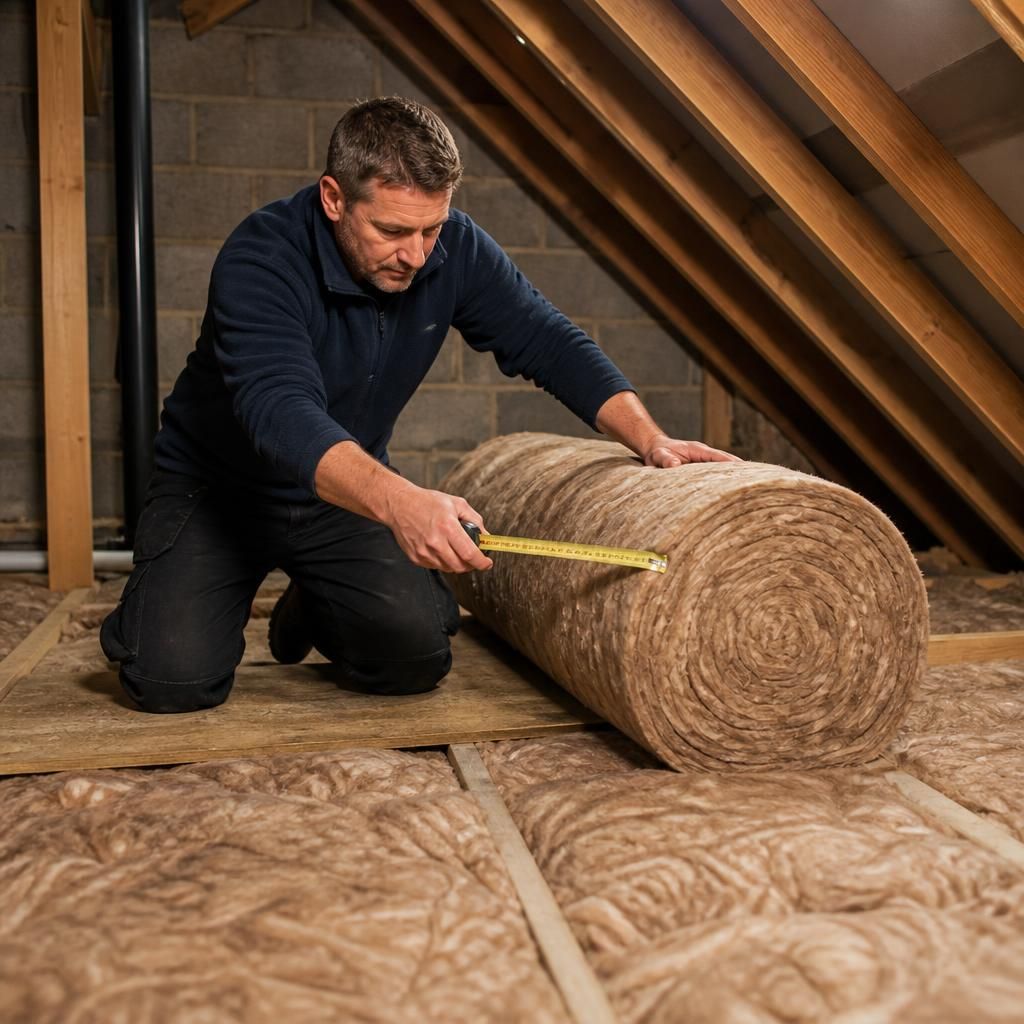
Loft insulation rolls are easy to compare in a photograph, but the real test is how they fit the loft in front of you. We look beyond packaging and explain what the material means for the home above and below.
That conversation matters when a loft has been untouched for years, or when you are balancing comfort with occasional storage. We describe the work clearly, so you can make an informed choice based on the loft itself rather than a product label.
Every home has its own details. We listen to what you want from the space, answer practical questions and set out the next steps without pushing a larger project than the loft needs. The aim is straightforward: insulation that is properly considered, with advice you can understand.
Questions About Loft Insulation Rolls
How thick should a loft insulation roll be?
Roll thickness depends on existing insulation, heat retention targets, loft construction and intended use. A survey helps identify coverage, layering and clear access without compressing insulation beneath raised flooring.
How wide is a loft insulation roll?
Widths vary between products, with 600mm rolls commonly available. Measure the loft’s joist spacing, access route and obstructions before ordering, allowing overlaps, cuts and manageable handling during installation on site.
Can loft insulation rolls be laid over existing insulation?
Often, yes, if existing insulation is dry, sound and correctly positioned. We assess ventilation, wiring and access first, then specify layering that avoids compression and protects loft performance in practice.
How much does a loft insulation roll cover?
Coverage depends on roll length and width, not thickness alone. Measure the areas needing insulation, subtract inaccessible sections, and allow for cuts around supports, pipes and roof details during fitting.
How do you fit loft insulation rolls around pipes?
We fit loft insulation around pipes carefully, leaving required clearance and avoiding compression. We check for leaks, heat sources and vulnerable joints, keeping necessary access points identifiable where needed.
Loft Insulation Rolls for Different Loft Requirements
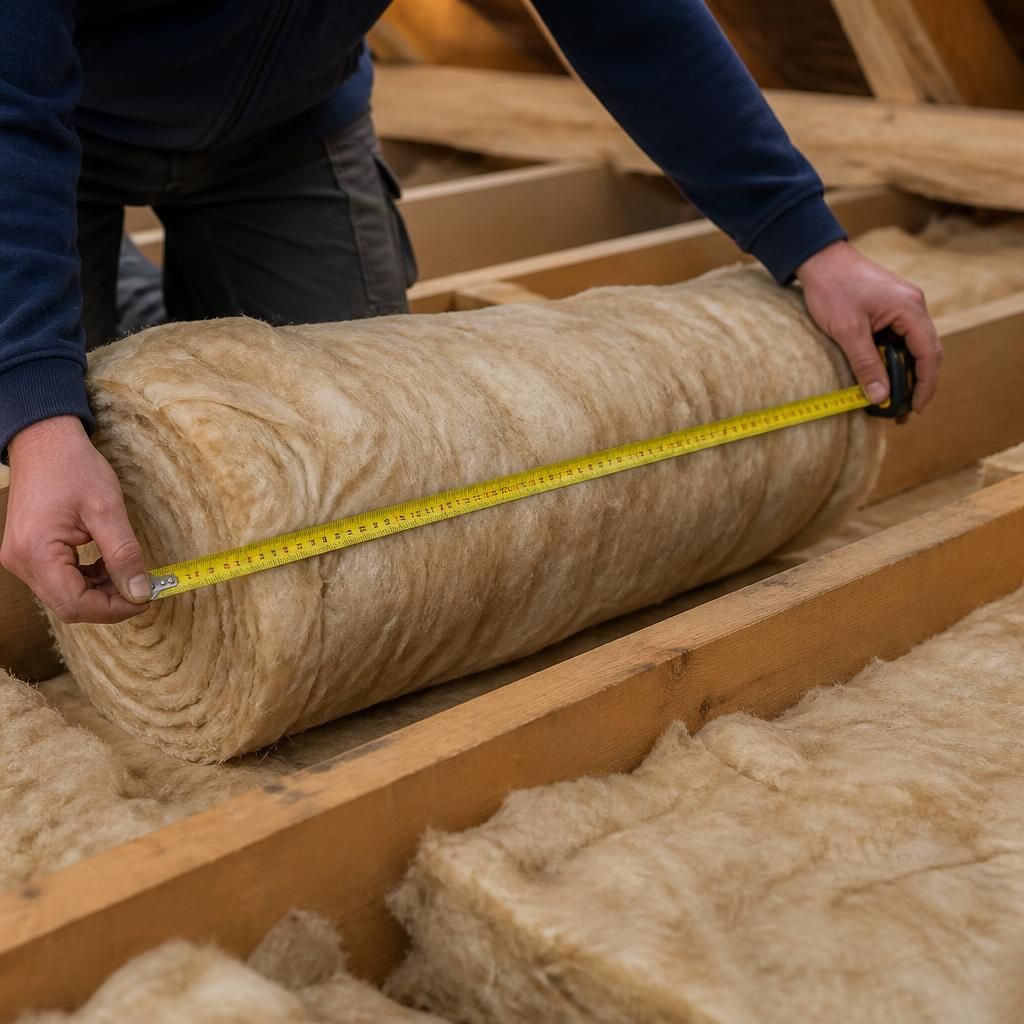
Check Roll Width Before Installation
Roll width affects how neatly insulation fits between joists. We measure the available space first, allowing for timber irregularities and necessary cuts.
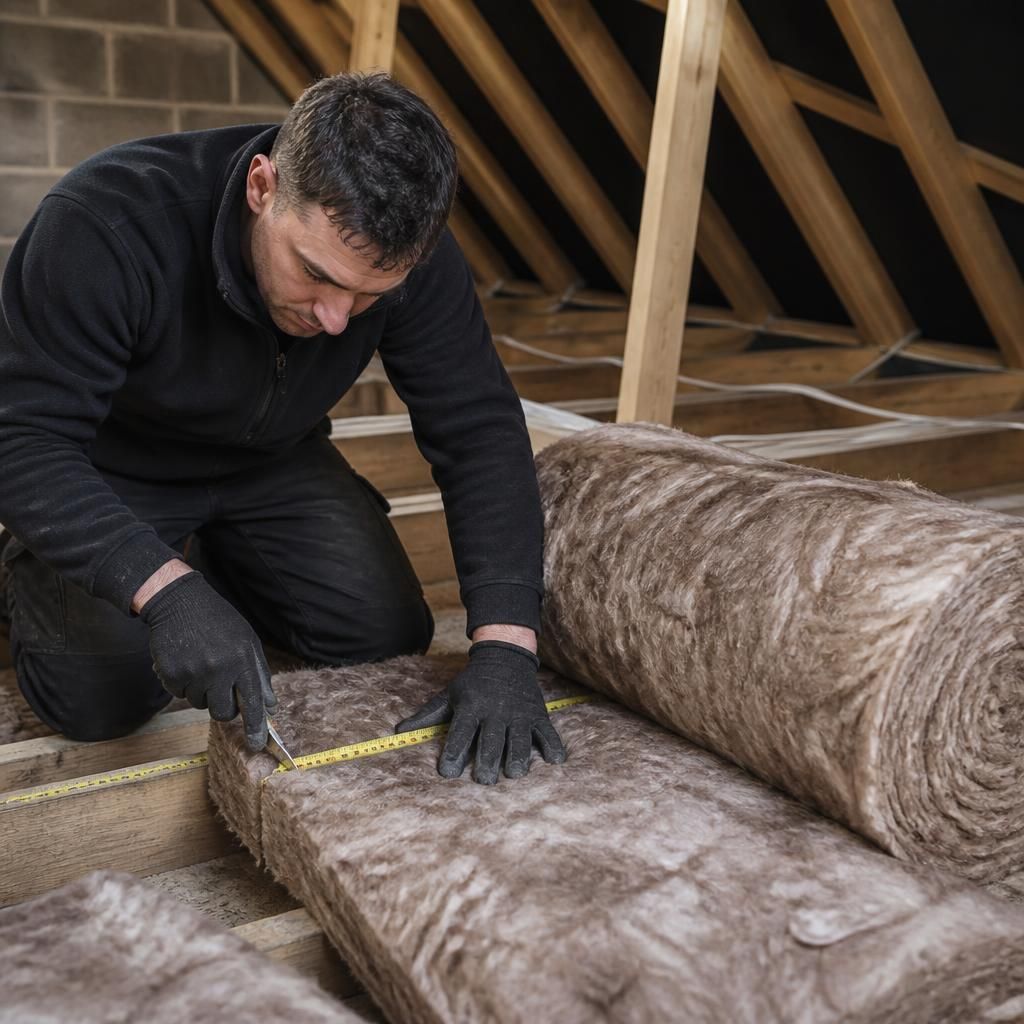
Allow for Careful Cutting
Insulation rolls need accurate trimming around joists, supports and fixed services. We mark each section before cutting to reduce gaps and unnecessary waste.
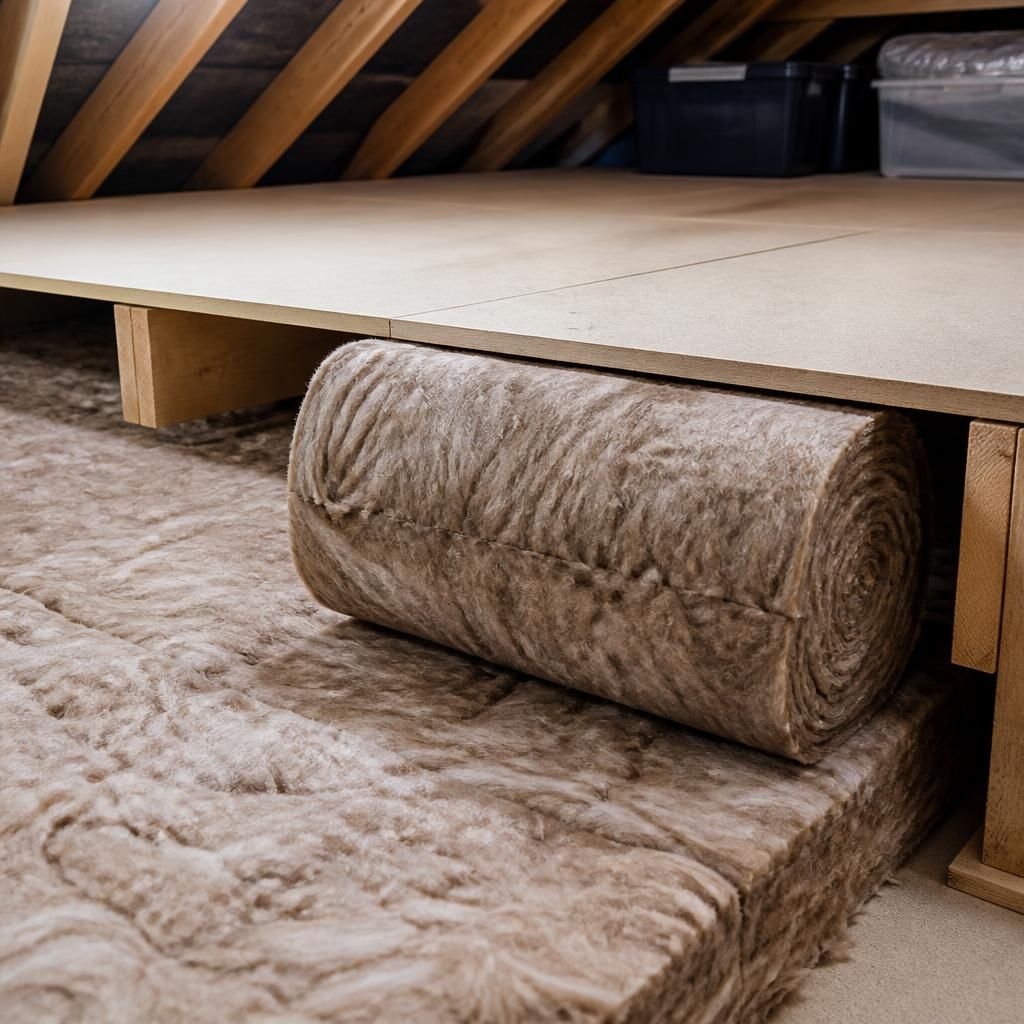
Plan Insulation Around Storage
Raised flooring can create storage above insulation without flattening the material beneath it. We consider the proposed storage area before selecting the roll arrangement.
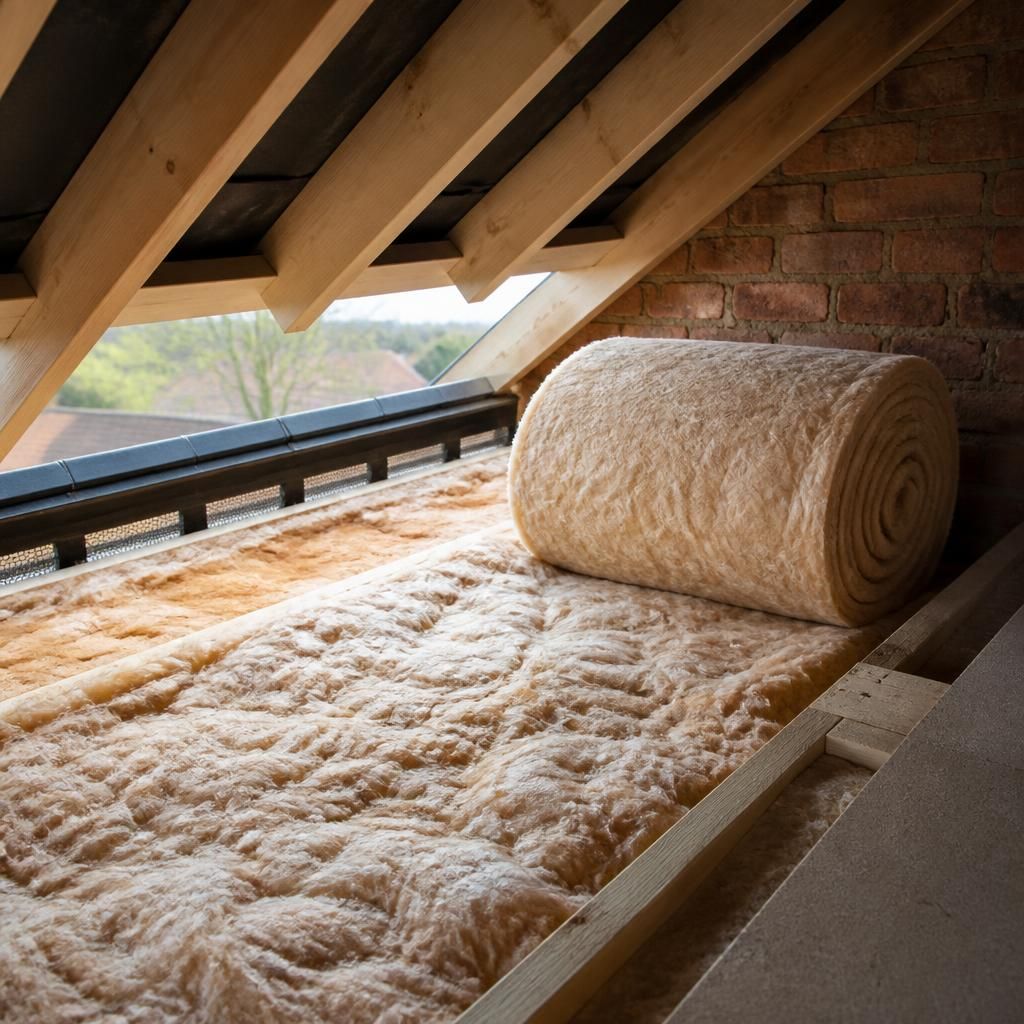
Keep Roof Edges Clear
Insulation must not block required airflow at the roof edges. We leave suitable ventilation routes while fitting rolls across the main loft area.
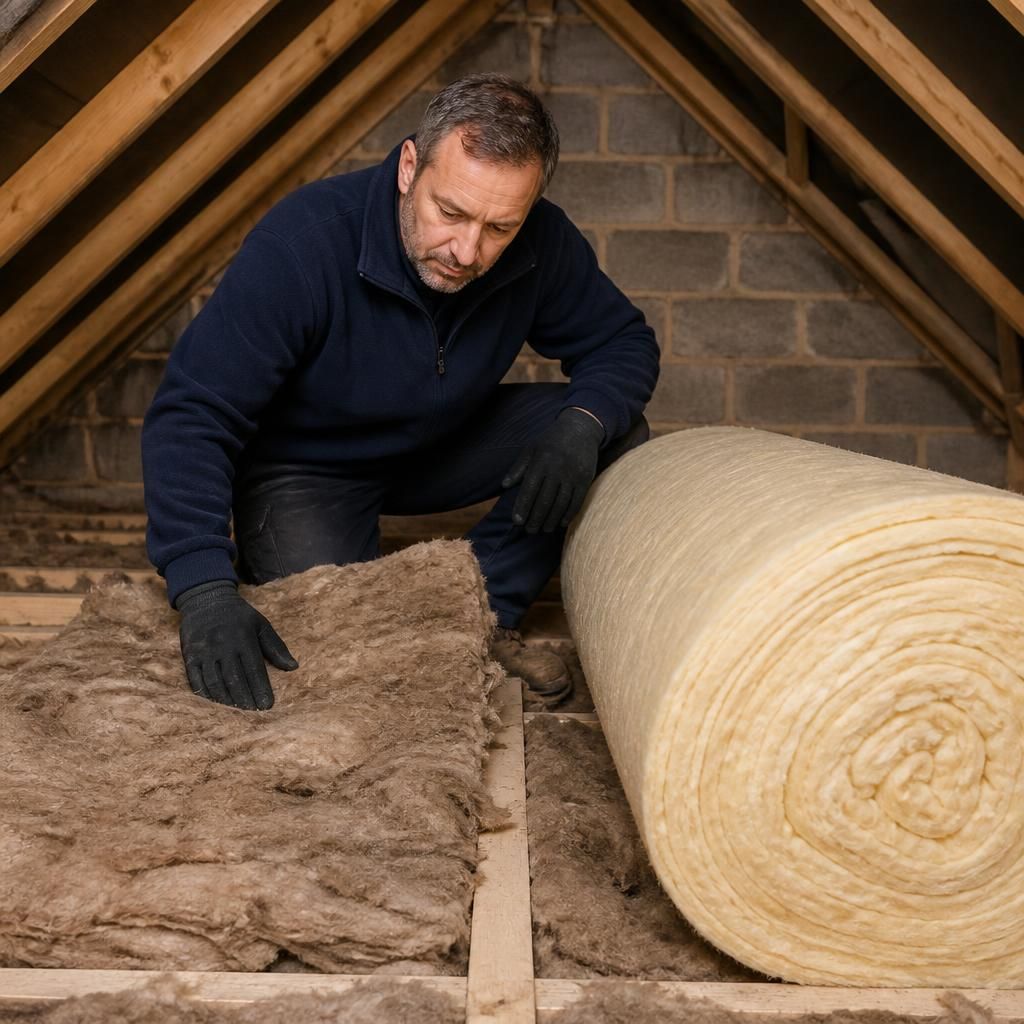
Assess Existing Material First
Older insulation may have settled, moved or become unsuitable for further coverage. We inspect the existing layers before discussing additional loft insulation rolls.
Storage-Aware Insulation
We coordinate loft insulation rolls with storage work, keeping material choices, access planning and installation decisions with one specialist team.
Questions to Ask Before Choosing a Loft Insulation Roll
How should loft insulation rolls meet eaves ventilation?
Check the roll’s declared thermal performance, thickness, width and installation guidance, then confirm it suits the existing loft construction. A lower-priced roll may create extra cutting, waste or handling work.
Is a loft insulation roll suitable beneath raised loft flooring?
Yes, provided the insulation remains uncompressed and the structure is assessed first. LoftZone raised flooring creates storage above insulation, while installers check joists, services and access requirements before installation begins.
What should a loft insulation roll label tell you?
Read the label for the insulation material, certification, coverage per pack, handling instructions, storage requirements and restrictions around use. This helps you compare packs and plan quantities accurately before ordering.
What affects loft insulation roll installation costs?
Costs depend on roll thickness, coverage, access, preparation and whether old material needs removal. We assess quantities, cutting, handling and associated storage work, then explain each cost clearly beforehand.
Can loft insulation rolls cause condensation if installed incorrectly?
Incorrect fitting can trap moisture or block ventilation, increasing condensation risk. We check continuity, eaves airflow, roof condition and penetrations, then specify appropriate rolls and installation details for the loft.