

Add More Loft Insulation
Adding extra loft insulation can improve heat retention where existing material is shallow, uneven or settled. We assess the loft, explain the suitable approach and install additional insulation while considering ventilation, access and any raised storage requirements.
Specialist Experience in Loft Insulation Upgrades
Adding extra loft insulation requires more than placing new material over the existing layer. We identify insulation types, coverage and condition before selecting a compatible approach.
Our specialist work accounts for joist layouts, roof edges, service routes and stored items. We place additional insulation carefully, avoiding unnecessary compression and preserving practical access.
This focused experience helps us distinguish between a straightforward top-up and work requiring further preparation. We explain the reasoning clearly, so you can assess the proposed upgrade with confidence.
Choose the right additional insulation for your loft
Additional loft insulation can address practical needs, from improving heat retention to bringing an under-insulated loft closer to the intended depth. The right approach depends on what is already present.
Use the options below to compare a top-up, deeper upgrade or replacement. We can also consider how increased insulation affects access to storage areas.
Find the right approach for adding loft insulation
Top up a shallow layer
We add compatible insulation over a shallow existing layer, improving heat retention while considering loft edges and ventilation routes.
Correct uneven coverage
We inspect gaps, compressed areas and settled material before adding insulation, so the upgrade addresses coverage rather than simply increasing thickness.
Add insulation before storage
We plan additional insulation with raised flooring, keeping storage above insulation and maintaining practical access through the loft.
Assess existing material first
We check the type and condition of existing insulation before recommending an addition, deeper upgrade or replacement.
Check what the existing insulation is hiding
Increasing insulation can leave the loft hatch as the least protected part of the ceiling. If the opening remains poorly insulated, heat may escape there despite thicker insulation elsewhere.
Additional material can also make cables, pipework and equipment harder to inspect. We consider required access before covering these areas, so future checks do not depend on moving insulation unnecessarily.
Storage plans affect the work as well. Where the loft needs usable flooring, we coordinate insulation with LoftZone raised flooring, keeping stored items above insulation rather than compressing it.
Details that shape an insulation upgrade
An insulation upgrade can involve several practical decisions. The points below explain the checks, materials and finishing details that influence how additional insulation performs, so you can compare the work involved with the needs of your home.
Existing insulation assessment
We check the depth, condition and coverage of existing insulation before adding material, so the upgrade addresses settled or incomplete areas.
Suitable insulation material
We select additional insulation that suits the existing layer, available depth and loft construction, rather than covering unsuitable materials without assessment.
Consistent coverage
We install additional insulation evenly across suitable areas, improving heat retention where existing material has become shallow, uneven or settled.
Clear ventilation paths
We keep ventilation routes at the roof edges clear during installation, helping air circulate through the loft and limiting moisture-related risks.
Care around awkward areas
We work carefully around roof structures and obstructions, reducing untreated patches where existing insulation is difficult to spread consistently.
Installation checks
We inspect the completed insulation upgrade, checking coverage and noting areas that must remain accessible for later inspection or maintenance.

Careful insulation work, clearly explained
An insulation upgrade is work you may not see once it is complete, which makes clear communication important. You deserve to understand what is being changed before material is added, rather than judging the result by appearance alone.
We approach each loft as part of a lived-in home. The space may hold belongings, house services or personal items, so we work with care and keep the planned improvement relevant to how you use it.
We explain the finished arrangement in straightforward terms, including what additional insulation contributes and what it does not change. This gives you a realistic basis for deciding how far to upgrade, without pressure to include work your home does not require.
Questions About Adding Loft Insulation
How much additional loft insulation does your home need?
Additional loft insulation can be added when existing material remains suitable, but damaged, damp or contaminated insulation needs attention first. We inspect its condition before recommending further material for space.
Can additional loft insulation be added over existing insulation?
Yes, if existing insulation is dry, sound and suitable for retention. We can add material above it, maintaining appropriate depth and arranging access around cables, pipework and services where required.
Will adding extra loft insulation affect ventilation?
We check ventilation routes before adding insulation and keep necessary airflow clear. This helps reduce condensation risk around the roof structure, while insulation remains positioned to improve heat retention effectively.
How much disruption does adding extra loft insulation cause?
Most work takes place within the loft, with preparation around the hatch and stored belongings. We protect access routes, add insulation carefully and leave the loft area orderly when finished.
How much does adding extra loft insulation cost?
The cost depends on loft size, existing insulation, access, material requirements and any preparation needed. We assess these factors during the survey and provide clear pricing for the proposed work.
Details that support additional loft insulation

A consistent layer across the loft
Existing insulation can vary in depth, with gaps or compressed sections reducing the consistency of the loft’s thermal protection. We inspect the current layer before adding material, so the upgrade addresses the areas that need attention rather than covering the problem.
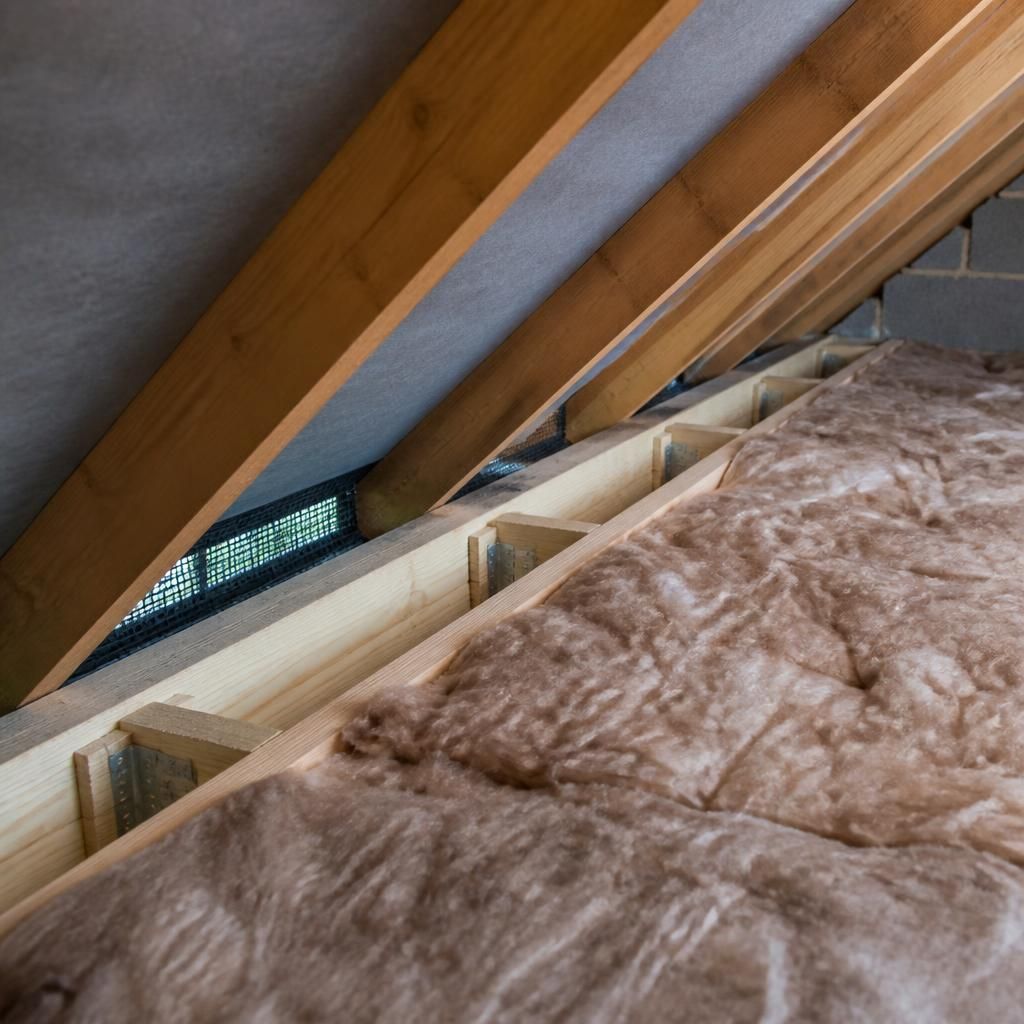
Protection around the roof edges
The roof edges need careful treatment during an insulation upgrade. We fit additional insulation without obstructing required ventilation paths, helping maintain the arrangement needed around the eaves.

Working around roof timbers
Roof timbers create changes in level and narrow sections that cannot be treated like open areas. We cut and position additional insulation around these details, keeping the coverage aligned with the shape of the loft.

Keeping important areas identifiable
Additional insulation can make service points less obvious once the work is complete. We take account of identifiable access areas during installation, so relevant parts of the loft remain easier to locate for future inspection.

Considering the hatch as part of the upgrade
The loft hatch forms part of the insulated boundary between the home and the loft. We review its condition alongside the surrounding insulation and can explain when an insulated drop-down hatch would support the wider upgrade.
Storage Above Insulation
Loftopia plans additional insulation around the storage arrangement, rather than treating heat retention and loft use as separate projects entirely.
Questions to ask before increasing loft insulation
Will additional loft insulation affect access to services in the loft?
Check whether existing insulation is dry, evenly distributed and accessible before adding more. Dampness, gaps, compressed sections and restricted eaves ventilation may require attention first, so plan the work carefully.
How do you prevent additional loft insulation from becoming compressed?
We fit additional insulation without compressing existing layers, checking loft depth, edges and ventilation. Where storage is planned, raised supports keep boarding above insulation instead of flattening it beneath storage.
Is additional loft insulation suitable for every loft?
Suitability depends on loft condition, roof design, ventilation and intended use. We assess these factors first, identifying repairs or restrictions before recommending additional insulation for your home safely and appropriately.
How is additional loft insulation fitted around recessed lights?
We check recessed lights before adding insulation, maintaining required clearances and avoiding contact with fittings. Where protection or electrical adjustment is needed, we identify it before insulation work proceeds safely.
Could additional loft insulation hide roof leaks?
Additional insulation can obscure signs of roof leaks, so inspect coverings, timbers and existing material beforehand. We address visible concerns first and avoid concealing unresolved moisture problems within new layers.