
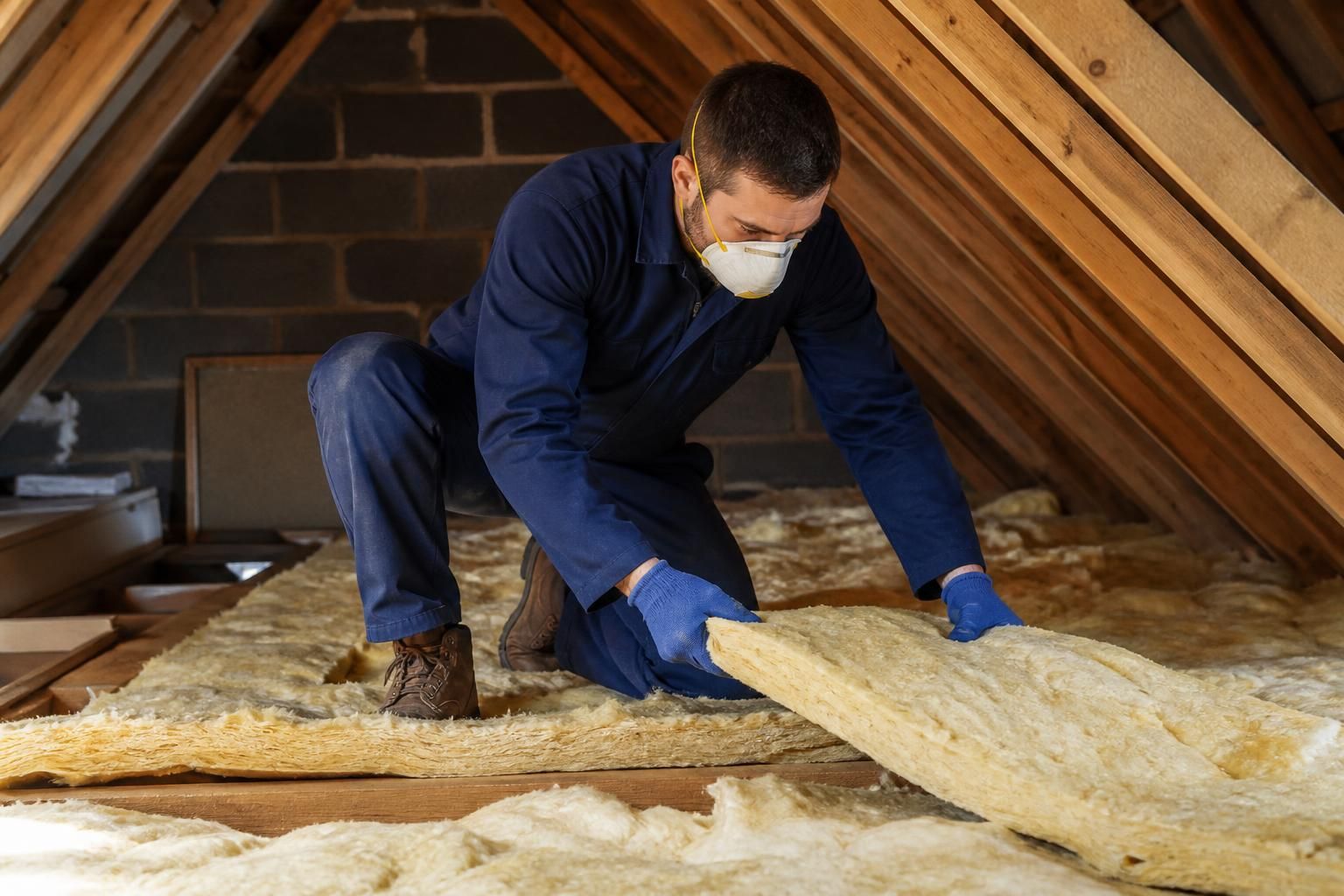
Loft Insulation Installers Across the UK
Professional loft insulation installers assess existing materials, roof ventilation and access before fitting loft insulation. We help you improve heat retention while protecting the loft’s structure, insulation depth and future storage plans.
Specialist Loft Insulation Knowledge
Loft insulation installers need more than product knowledge. We understand how insulation depth, roof construction and ventilation interact, so fitting loft insulation supports the building rather than creating avoidable problems.
Our specialists work with existing insulation, top-ups and difficult roof spaces. We account for cables, recessed downlights and areas where damp or damaged material needs attention before new insulation is fitted.
We also explain how insulation choices affect access and storage plans. Clear advice helps you decide whether the loft needs insulation alone or coordinated work with raised flooring, ladders, hatches or Loft Storage & Accessories.
Loft Insulation Options for Different Loft Conditions
Lofts call for different insulation work. A top-up may suit sound existing material, while replacement may be needed where insulation is damp, damaged or unsuitable. The right approach depends on the loft’s condition and intended use.
Use the options below to identify the service matching your priorities. We explain the work and show how insulation fitting can accompany storage improvements.
Choose the Right Insulation Work for Your Loft
Top-Up Existing Insulation
We add loft insulation where existing material is sound but does not provide enough depth, helping your home retain heat more effectively.
Replace Unsuitable Insulation
We assess damp, damaged or unsuitable material and explain when replacement is more appropriate than adding another layer.
Damp-Affected Loft Areas
We identify moisture concerns before fitting loft insulation, so you can address the condition affecting the loft rather than covering it.
Ventilated Roof Spaces
We check roof ventilation and fit insulation with airflow in mind, reducing the risk of creating avoidable problems around the roof structure.
Deep Insulation and Storage
We plan insulation depth alongside raised flooring where needed, providing storage above insulation without compressing the material beneath it.
Difficult Access Areas
We assess restricted and awkward roof spaces before fitting insulation, accounting for access, cables and recessed downlights during the work.
Insulation Work Can Reveal Hidden Loft Problems
Loft insulation can look substantial while gaps, compressed sections and uneven coverage still allow heat to escape. Professional loft insulation fitters examine how existing materials perform across the whole loft, not only the easiest areas to reach.
Stored items and old boarding can compress insulation over time, reducing its insulating effect. Loft insulation installers can identify where the material no longer provides consistent coverage and explain the implications before further work begins.
The loft’s condition can also influence the most practical fitting method. Our loft insulation specialists distinguish between topping up sound material and removing sections that cannot remain, helping you understand the work before choosing an insulation service.
What Professional Loft Insulation Installers Provide
The details below explain how loft insulation installers manage practical aspects of fitting, from selecting suitable materials to working around existing loft features. Each point shows how careful preparation supports consistent coverage and informed decisions.
Assess insulation depth
We measure existing insulation levels before work begins, helping you understand where additional material may be appropriate and how it affects available loft space.
Select suitable insulation materials
We recommend insulation materials according to the loft’s condition, roof arrangement and intended use, so the installation matches the building rather than relying on a standard approach.
Protect ventilation routes
We keep necessary airflow paths clear at the roof edges, reducing the risk of insulation obstructing ventilation while improving coverage across the loft.
Work around loft obstructions
We fit insulation around stored services, roof timbers and other fixed features, limiting uncovered areas that can reduce consistency across the loft.
Plan insulation with raised storage
We consider planned boarding before fitting insulation, allowing raised flooring to provide storage above insulation without compressing the material beneath it.
Explain the work before installation
We outline the proposed insulation work, affected areas and practical access requirements, giving you a clear basis for comparing a top-up with more extensive fitting.
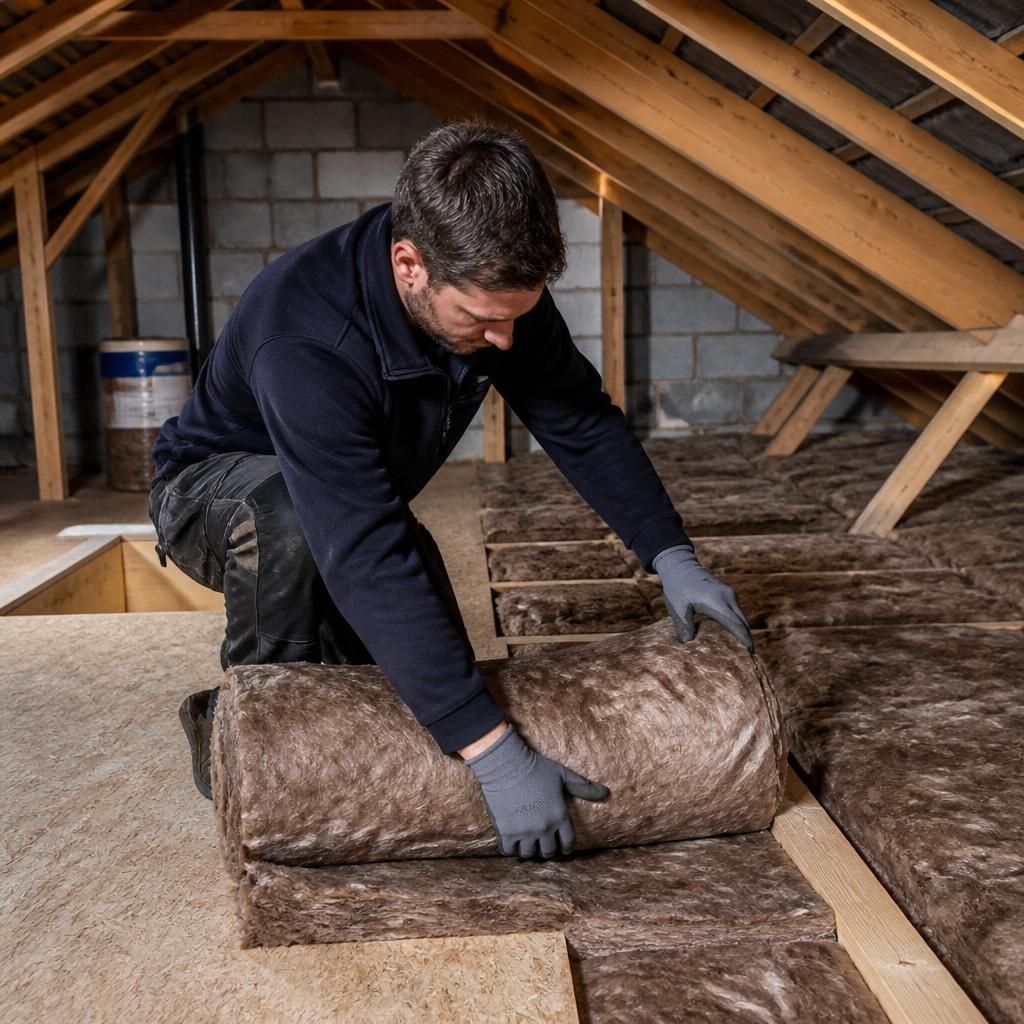
A Careful Approach to Loft Insulation Fitting
Loft insulation work takes place above the rooms you use every day, so we treat access, belongings and the surrounding home with care. We explain what we find in straightforward terms, without assuming that more material is automatically the right answer.
During fitting, we work methodically around roof timbers, stored items and household services. We keep the work focused on the areas agreed with you, while recording points that may need attention before insulation can perform properly.
That measured approach helps you understand what the installation involves and how it relates to later loft use. If storage is part of your plans, we can discuss insulation alongside raised flooring, access and Loft Storage & Accessories.
Common Questions About Loft Insulation Installation
What does a loft insulation installer check before fitting insulation?
Professional installers assess existing insulation, ventilation, electrical services and loft condition before fitting suitable materials. We explain recommended work clearly, including preparation, access requirements and protection of belongings during installation.
What should I move before loft insulation installation?
Move stored items away from the loft access point and any areas requiring work. Remove fragile or valuable belongings where possible, leaving clear access for installers and protecting household contents.
Do loft insulation installers remove old insulation?
Removal depends on condition. We may take out damp, damaged or heavily compressed insulation before fitting new material, while sound insulation can often remain and receive an appropriate top-up layer.
How do loft insulation installers protect electrical cables?
We route electrical cables carefully and avoid burying or compressing them beneath insulation. Cables needing alteration should be handled separately by a qualified electrician before fitting work continues across loft.
How do loft insulation installers protect ventilation at the eaves?
We keep ventilation paths at the eaves clear when fitting loft insulation, maintaining airflow beneath the roof covering. This helps reduce condensation risk and supports insulation performance across the loft.
Explore Practical Loft Insulation Options
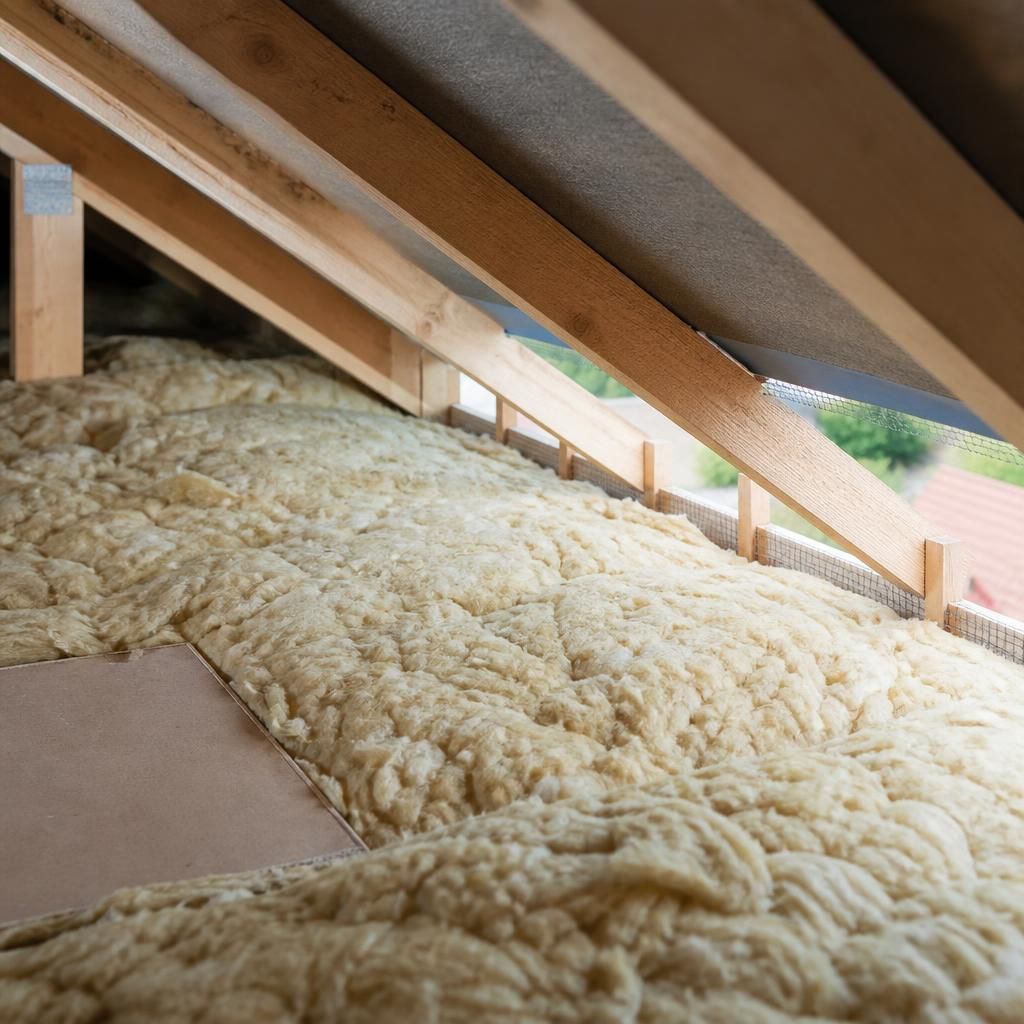
Insulation at the Eaves
Insulation needs to reach suitable areas near the eaves without obstructing essential roof ventilation. Images can help you identify restricted edges before fitting begins.
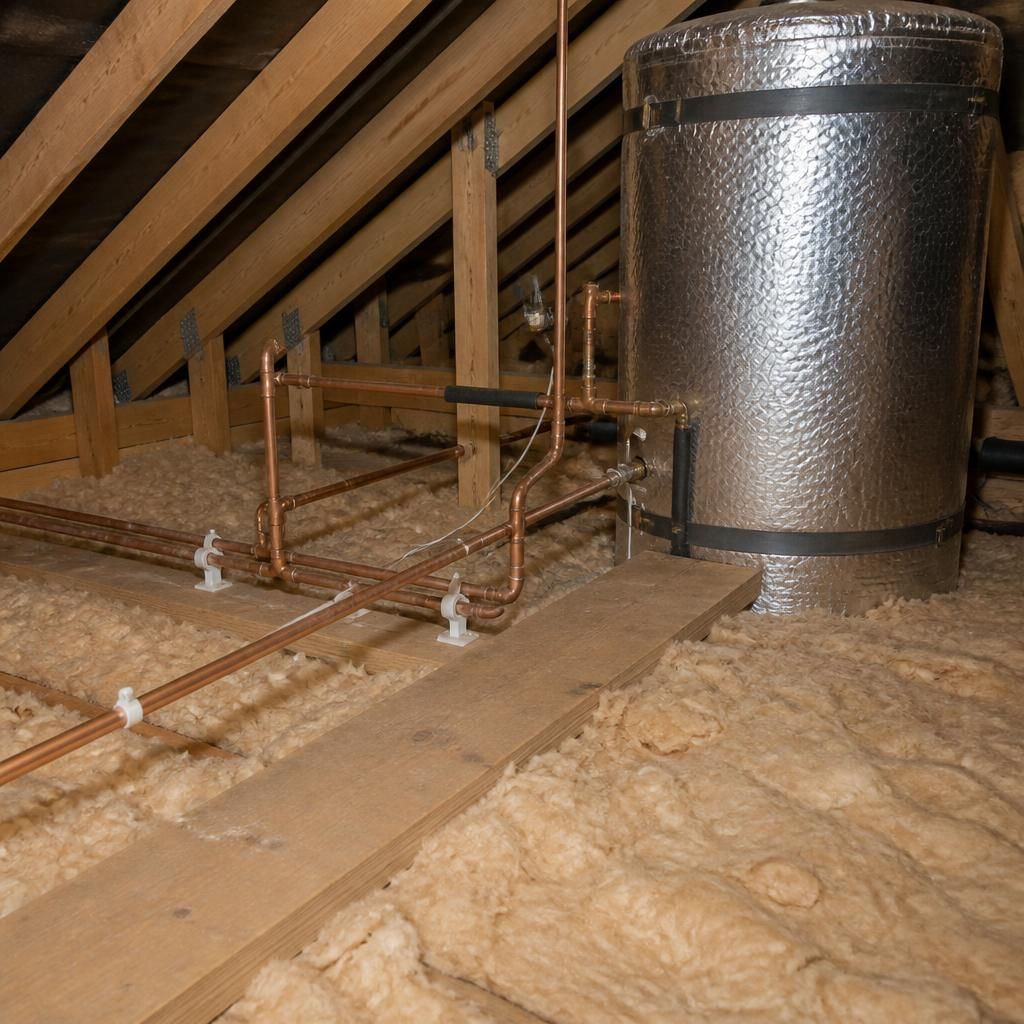
Working Around Loft Services
Pipework, tanks and cables need consideration during insulation work. We assess these features before fitting material, helping maintain access for future checks.
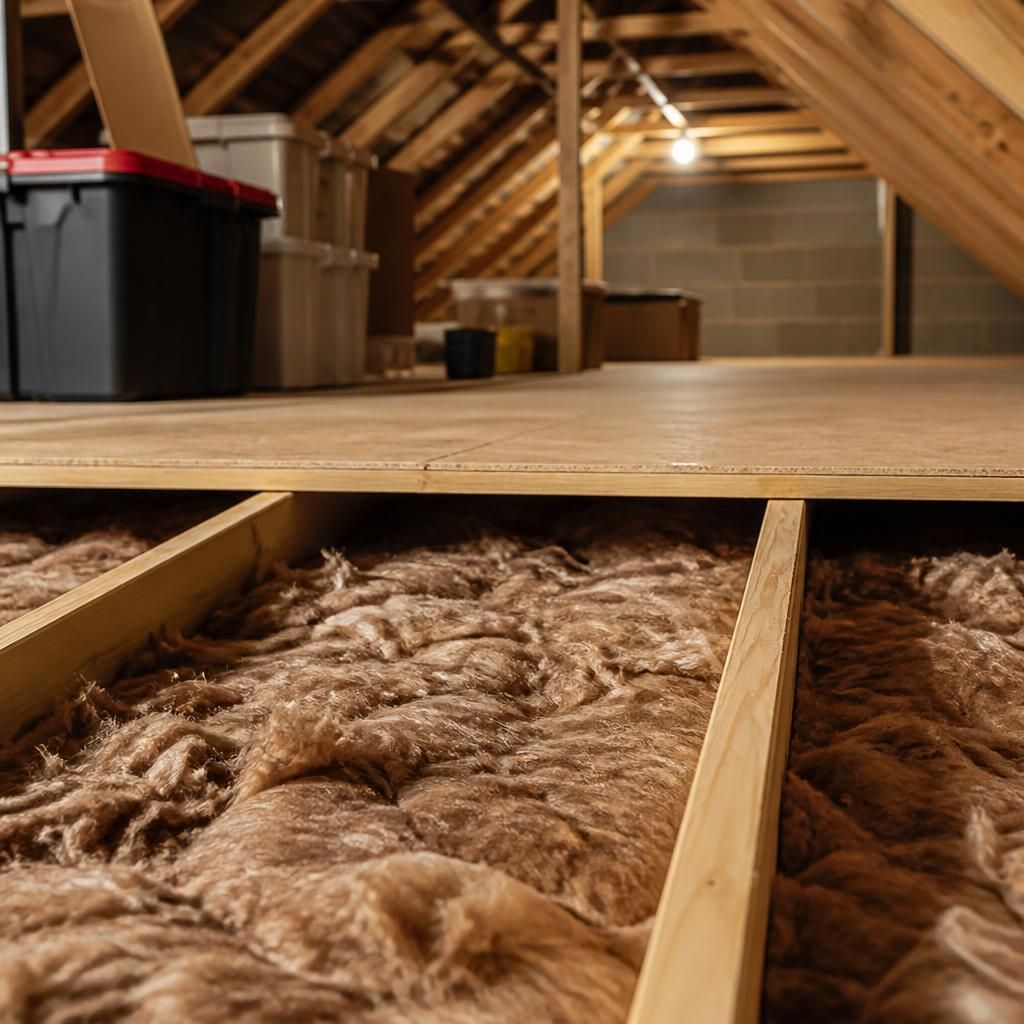
Planning Insulation Below Storage
Raised flooring creates storage above insulation rather than compressing material beneath standard boards. Discussing both requirements helps establish where insulation and boarding should meet.
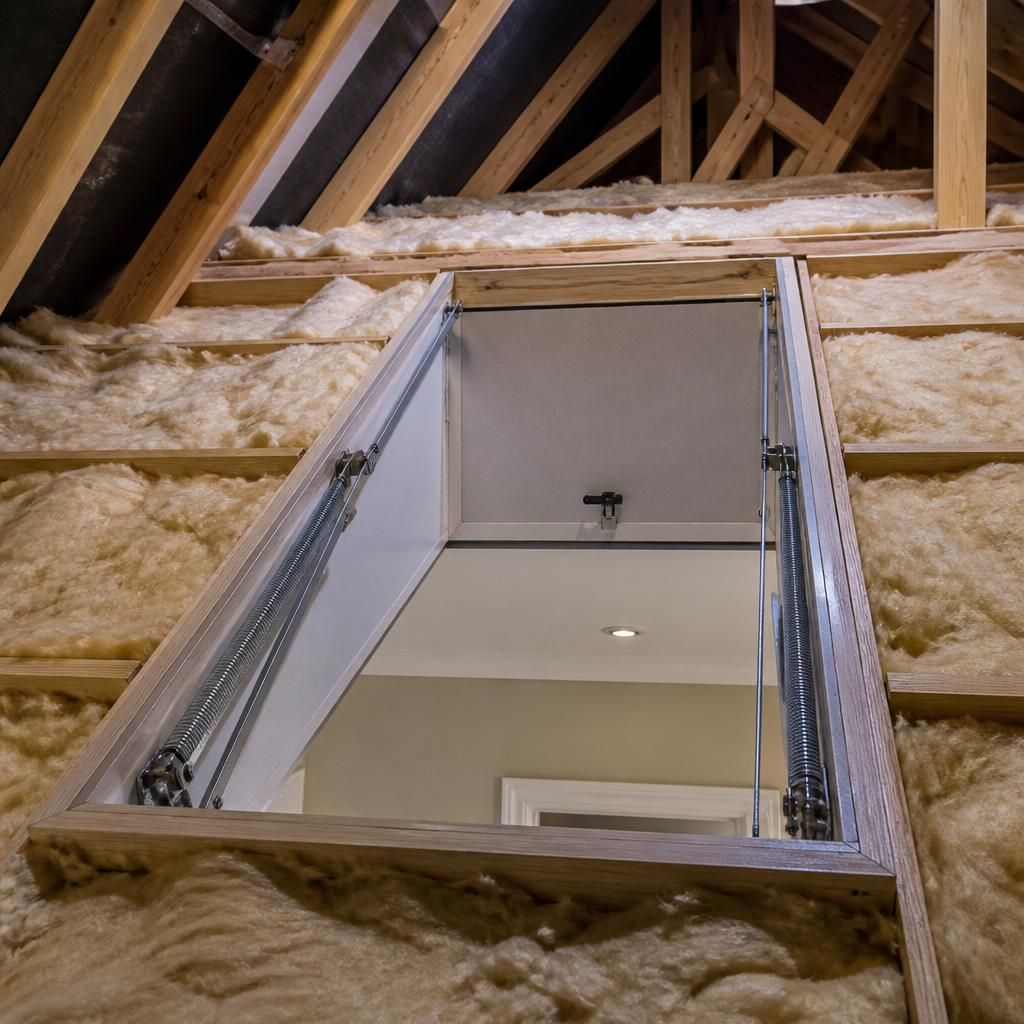
The Hatch and Insulation Boundary
An uninsulated hatch can interrupt otherwise consistent coverage between the loft and rooms below. An insulated drop-down hatch can improve this transition while making entry more practical.
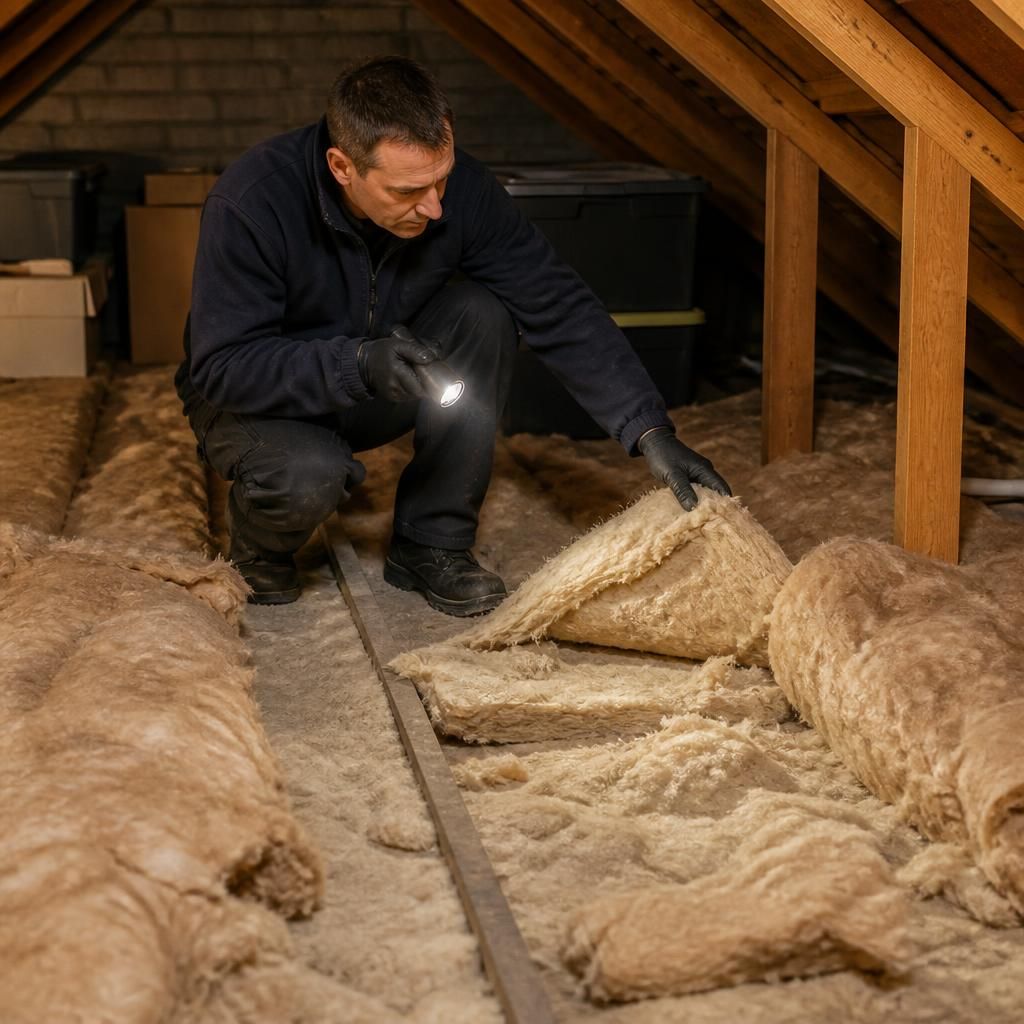
Checking Existing Material First
Existing insulation may contain areas that have shifted, settled or become difficult to identify beneath stored belongings. A clear inspection helps determine which sections can remain and where work is needed.
Storage-Aware Fitting
We fit loft insulation around future storage plans, protecting usable depth while preparing the loft for raised flooring when needed.
Questions to Ask Loft Insulation Installers
How do loft insulation installers handle restricted spaces around roof timbers?
We identify electrical cables and recessed downlights before fitting insulation, then explain protective measures needed. This prevents insulation obstructing fittings or covering services requiring safe access later.
How do loft insulation installers prevent gaps when fitting insulation?
We measure and cut insulation to fit tightly between joists and around obstructions, then check edges and joints. This limits draught paths and helps maintain consistent coverage across the loft.
How do loft insulation installers determine the correct insulation depth?
We assess existing insulation, roof construction, ventilation and planned storage before recommending depth. This avoids compressing materials beneath raised flooring and helps maintain effective thermal performance across the loft space.
How do loft insulation installers deal with damp or damaged insulation?
We inspect damp or damaged insulation, identify whether roof leaks or condensation require attention, and explain removal or replacement before fitting new material. We do not conceal unresolved moisture problems.
How do loft insulation installers choose suitable insulation materials?
We compare material type, condition, fire performance and compatibility with roof construction before fitting loft insulation. The recommendation reflects ventilation, access and intended storage, rather than treating every loft identically.