
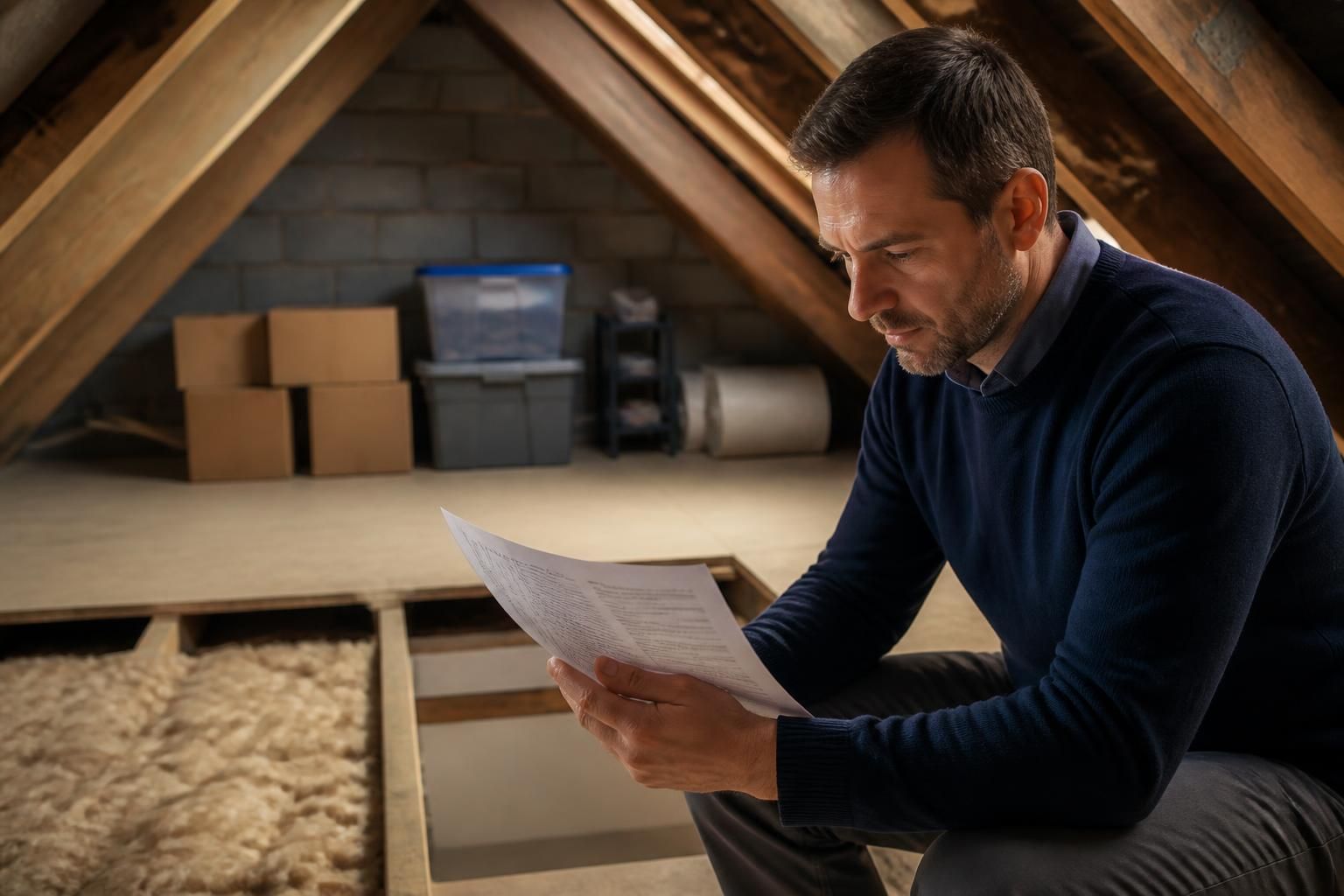
Can loft boarding over insulation affect my new-build warranty?
Loft boarding does not automatically void a new-build warranty, but installation that damages the property, compresses insulation or conflicts with warranty requirements could affect a claim. Check the warranty terms and seek advice before work begins; raised LoftZone flooring keeps storage above deep insulation when installed correctly.
Loft boarding should not invalidate a new-build warranty when the work follows the warranty terms and does not create or conceal a defect. The warranty provider’s conditions take priority, so check them before arranging installation.
A new-build warranty usually covers specified defects in construction, materials or workmanship. It does not necessarily cover alterations made by the homeowner. A later claim could therefore be examined differently if boarding has affected insulation, ventilation, structural components or access to building services.
Ask the warranty provider or developer to confirm the following points in writing:
- Whether loft boarding requires notification or approval before work starts.
- Whether the installer must meet particular building, structural or ventilation requirements.
- Whether the warranty includes conditions for maintaining insulation thickness and airflow.
- Whether access must remain available to tanks, cables, pipework, ventilation equipment or other services.
- What records should be retained if a future defect claim involves the loft.
Loftopia can discuss the proposed layout and explain how raised LoftZone flooring supports storage above insulation. The system must still be planned around the loft structure, insulation depth, headroom and existing services.
Boarding directly across insulation can compress it and reduce its intended performance. Raised flooring creates a separated storage surface, but it does not make every loft suitable for boarding. The installation must use appropriate supports and avoid unsuitable fixing points.
Before work begins, check the loft for existing issues. Look for dampness, damaged insulation, roof leaks, inadequate ventilation, exposed wiring and defects around the hatch. Report relevant defects through the correct warranty process before covering the area.
Keep the warranty documents, written advice, survey information, product details, invoice and installation records. Photographs taken before boarding can also show the condition of insulation, wiring and roof components at that stage.
Warranty terms may also distinguish storage flooring from alterations intended to create a room. Loft boarding provides storage and should not be treated as a bedroom, office or other habitable space. Avoid loading the structure beyond the capacity identified during assessment.
Insulated drop-down hatches can improve access while limiting heat loss, and suitable loft ladders can make entry safer. These additions should also be discussed if the warranty terms control changes to the hatch opening or surrounding structure.
The safest approach is to obtain the warranty provider’s requirements first, then ask for an installation plan that addresses those requirements. Written clarification is more useful than relying on a general statement that loft boarding is permitted.

Ask the warranty provider how it would assess a later claim unrelated to the loft work. This helps distinguish an alteration from a defect caused by construction or workmanship.
Keep the reply with the installation documents. If the provider identifies conditions for storage boarding, the installer can use them when planning the raised flooring and retained access.