
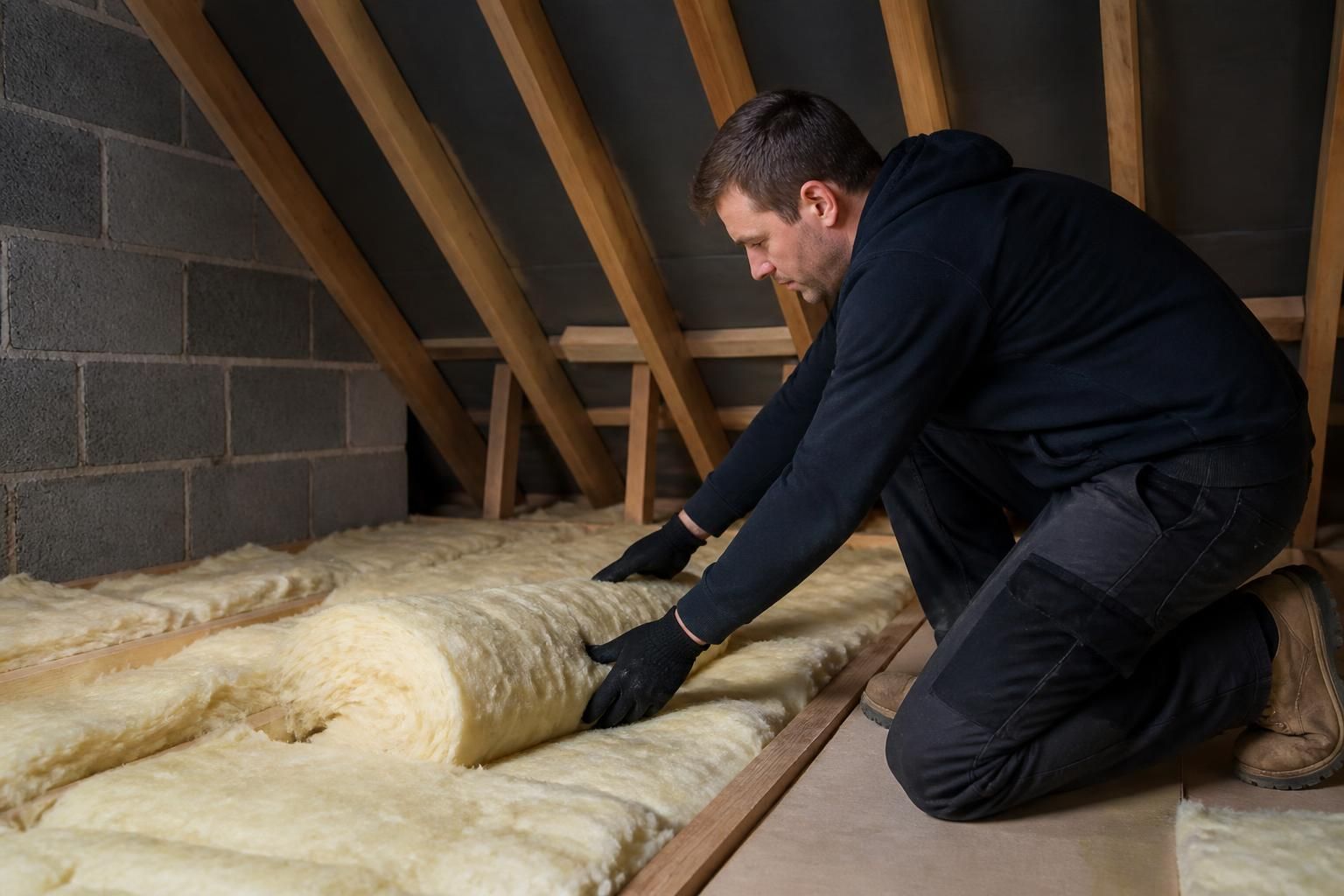
What is the average cost of loft insulation?
There is no single average cost for loft insulation because the price depends on the loft area, insulation depth, access and whether existing insulation needs attention. Loftopia can assess these factors and explain the cost of the required insulation work before installation.
There is no dependable single average cost for loft insulation in 2026. A meaningful price depends on the insulation specification, loft size, access, existing materials and the preparation required before installation.
Published average figures can be misleading because they often combine small top-ups with larger installations. They may also exclude access improvements, removal work or repairs. Two lofts with similar floor areas can therefore receive different quotations.
What an insulation quotation normally covers
A quotation should identify the loft area, the insulation material, the intended insulation depth and the installation method. It should also state whether the price includes labour, materials, waste handling and any preparatory work.
Insulation can be installed as a new layer or added above existing material. The surveyor should establish whether the existing insulation is dry, evenly distributed and suitable to remain. Damaged, contaminated or heavily compressed insulation may need attention before new material is fitted.
The quoted work may include insulation between the ceiling joists, a further layer across the joists, or both. The correct arrangement depends on the existing construction and the required thermal performance. A quote that only states “loft insulation” does not provide enough detail for a useful comparison.
Why loft size does not determine the whole price
The loft area affects the volume of insulation and the installation time. However, labour does not always increase in direct proportion to floor area. A compact loft with difficult access may require more preparation than a larger, open loft.
- Access: A small hatch, restricted opening or awkward route can make carrying and positioning materials more involved.
- Existing insulation: Old, wet, contaminated or uneven material may require removal, redistribution or other preparation.
- Obstructions: Water tanks, pipes, cables, roof structures and stored items can reduce working space.
- Ventilation: Eaves ventilation must remain effective. Insulation should not block intended airflow at the roof edges.
- Insulation depth: A greater specified depth requires more material and may affect access to services or storage areas.
- Ancillary work: A quotation may include hatch alterations, boarding or other access work as separate items.
How access work affects the overall cost
Insulation and access improvements are related, but they are not the same service. A new hatch or ladder can make the loft easier to use, while insulation improves heat retention.
An insulated drop-down hatch can reduce draughts around the opening. Aluminium sliding loft ladders and timber loft ladders provide more practical entry than using a portable ladder. These items should appear separately in the quotation, so you can see the insulation cost on its own.
Raised boarding also needs separate consideration. LoftZone raised flooring provides storage above insulation rather than compressing the insulation beneath standard boards. The boarding area, framing and access arrangement can alter the total project price.
Comparing average prices fairly
Compare quotations only when they describe a similar scope of work. Check the following points before treating one figure as cheaper:
- Confirm the area being insulated and any areas excluded from the work.
- Check the proposed material and finished insulation depth.
- Ask whether the price includes preparation or removal of existing insulation.
- Check how ventilation, cables, pipes and roof-edge details will be handled.
- Separate insulation from ladders, hatches, boarding, shelving and lighting.
- Confirm whether waste handling and associated labour are included.
A lower figure may reflect a smaller insulated area, less material, no removal work or excluded access improvements. A higher figure may include preparation that another quotation has omitted. The written specification matters more than an unexplained average.
What a loft survey adds
A loft inspection allows the installer to measure the area and identify conditions that are difficult to price accurately from photographs alone. It can also establish whether the existing insulation requires removal, adjustment or a top-up.
The inspection should consider ventilation, electrical cables, roof timbers, water tanks and the position of any intended storage. This information helps separate essential insulation work from optional Loft Storage & Accessories, such as shelving and lighting.
Loftopia can explain which elements affect the quotation and identify insulation work separately from boarding or access upgrades. A clear specification gives you a more useful basis for comparing the average cost with the price proposed for your loft.
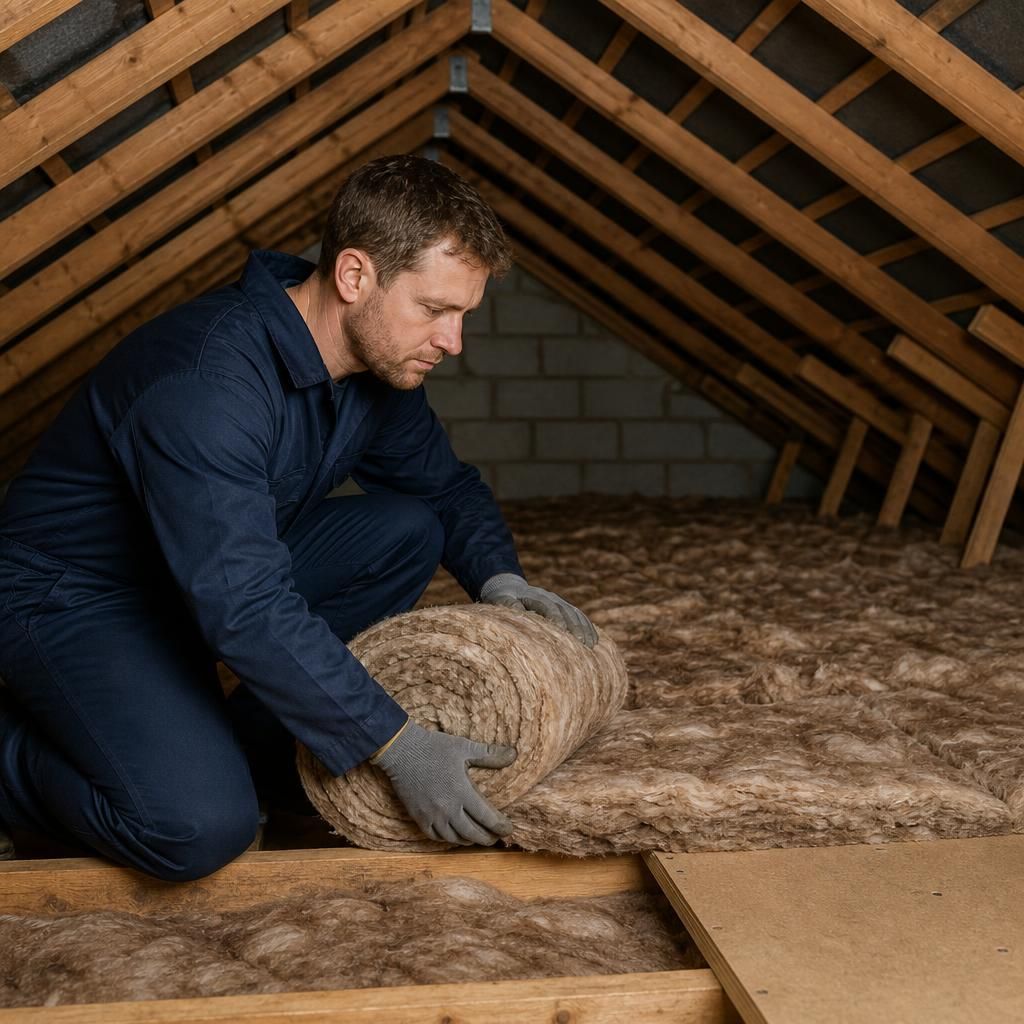
The average cost of loft insulation is most useful as a guide when the quoted work has been clearly defined. The specification should show the insulated area, material, finished depth and preparation included, rather than presenting one unexplained total.
Ask for insulation to be priced separately from optional access or storage upgrades. This makes it easier to understand the cost of improving thermal performance before considering items such as storage above insulation, shelving or lighting.