
Can new-build loft insulation be topped up?
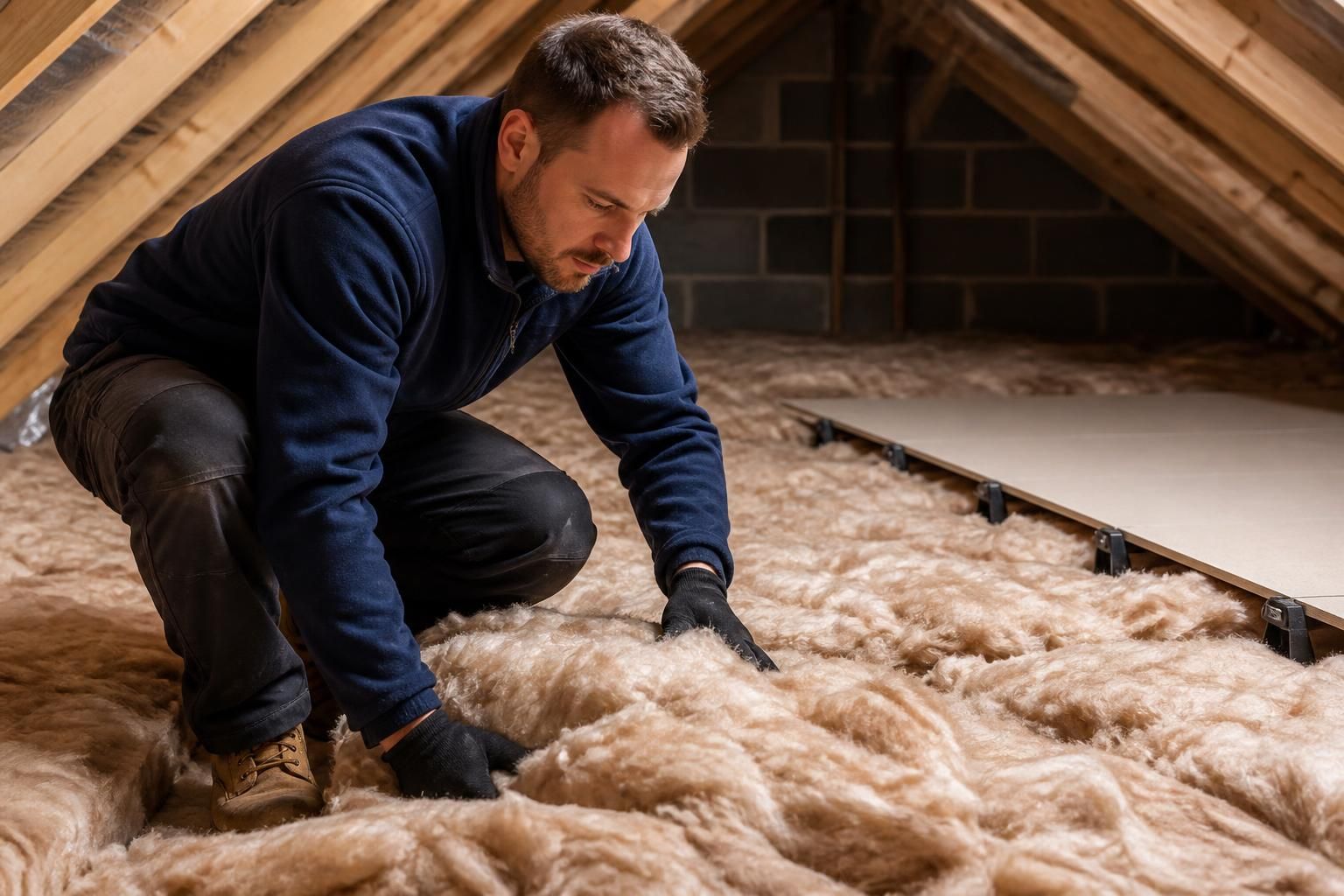
New-build loft insulation can often be topped up if the existing material is suitable and the loft has enough space for additional depth.
We assess insulation condition, moisture, ventilation and services before recommending a top-up, with raised flooring used where storage must remain above the insulation.
Yes, a new-build loft can usually have additional insulation, provided the existing installation is suitable for it. A surveyor must first establish what is already present and why further material is needed.
A top-up can improve thermal performance when insulation is generally sound but has settled, contains shallow areas or does not provide consistent coverage. Additional material should match the existing installation and suit the loft’s construction.
We check the insulation for several conditions before recommending further work:
- Gaps and thin areas: Missing or uneven insulation can reduce coverage, particularly around the eaves, loft hatch and service routes.
- Compression: Compressed insulation has less effective depth. Adding more material does not correct every compressed or damaged section.
- Damp: Moisture, staining or a musty smell can indicate a roof, plumbing or ventilation issue. We investigate the cause before covering the area.
- Contamination: Water damage, pests or degraded material may make removal more suitable than topping up.
- Ventilation: Additional insulation must not obstruct airflow at the eaves or cover ventilation routes.
- Services and heat sources: Cables, pipes, tanks, downlights and flues require suitable clearance and access.
Where the existing insulation remains dry, stable and correctly positioned, a top-up can usually be placed over it. We first correct accessible gaps and maintain clear routes around services and ventilation points.
Extra insulation increases the loft floor height. That change matters if you plan to store items in the loft, because ordinary boards laid directly across the joists could compress the insulation.
Loftopia uses LoftZone raised flooring to create storage above insulation. This keeps the required insulation depth below the platform and provides a stable boarded area for suitable household storage.
Raised flooring also helps separate storage from insulation, but it does not turn the loft into a room for sleeping, working or other habitable use. The structure, access and fire arrangements would require a different assessment.
A top-up may not be appropriate where insulation is wet, contaminated, badly displaced or blocking important ventilation. In those circumstances, we may recommend correcting or removing affected sections before adding new material.
The loft hatch and access route should also be checked. A deeper insulation layer can make an existing hatch awkward to use, while a replacement insulated drop-down hatch can reduce heat loss and improve entry.
We explain the condition of existing insulation, the areas requiring attention and the effect of any additional depth. The recommendation can then cover insulation work alone or include raised flooring, access and Loft Storage & Accessories where storage is required.
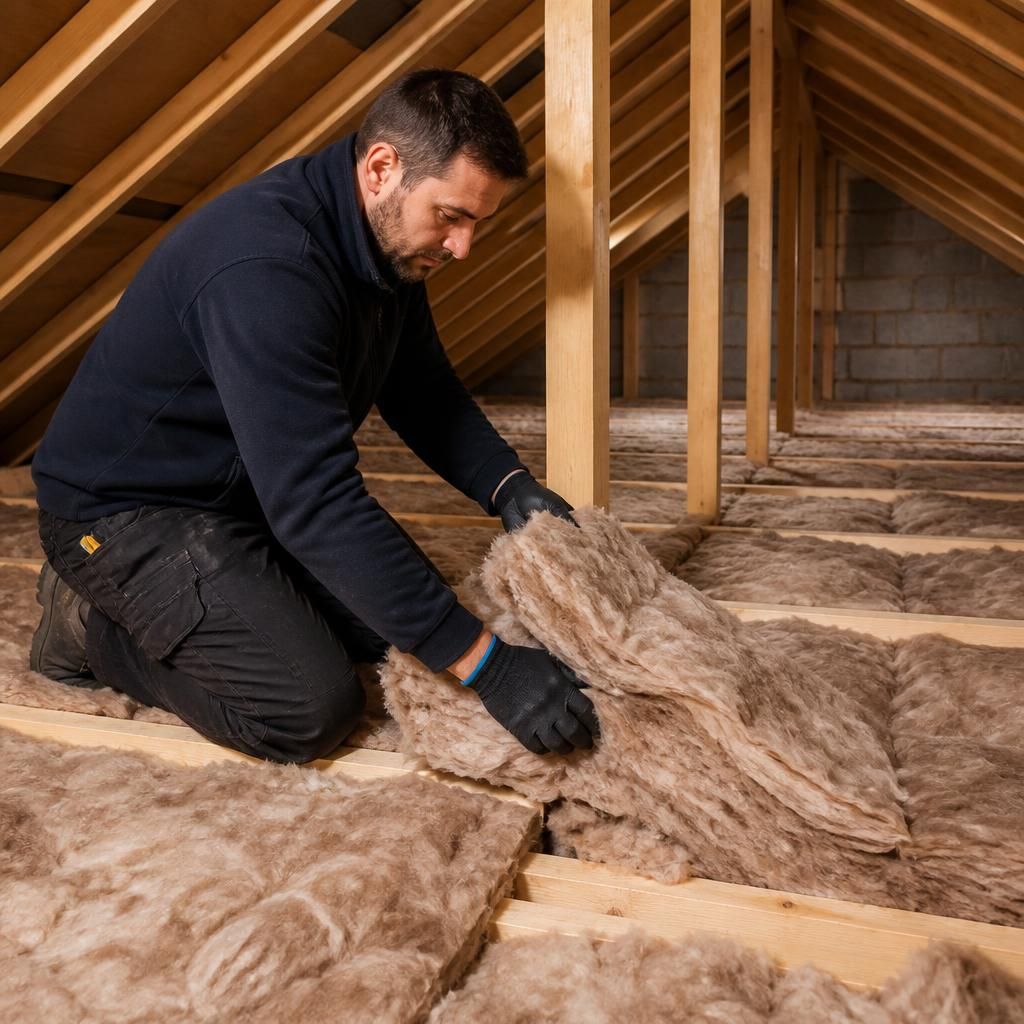
A top-up is assessed against the insulation already in the loft, not simply the depth at one point. We compare coverage across the space and identify sections where settlement or previous work has altered the layer. This distinguishes a consistent top-up from local correction or replacement. We explain which areas need additional insulation, so you can understand how the work affects access and storage planning.