
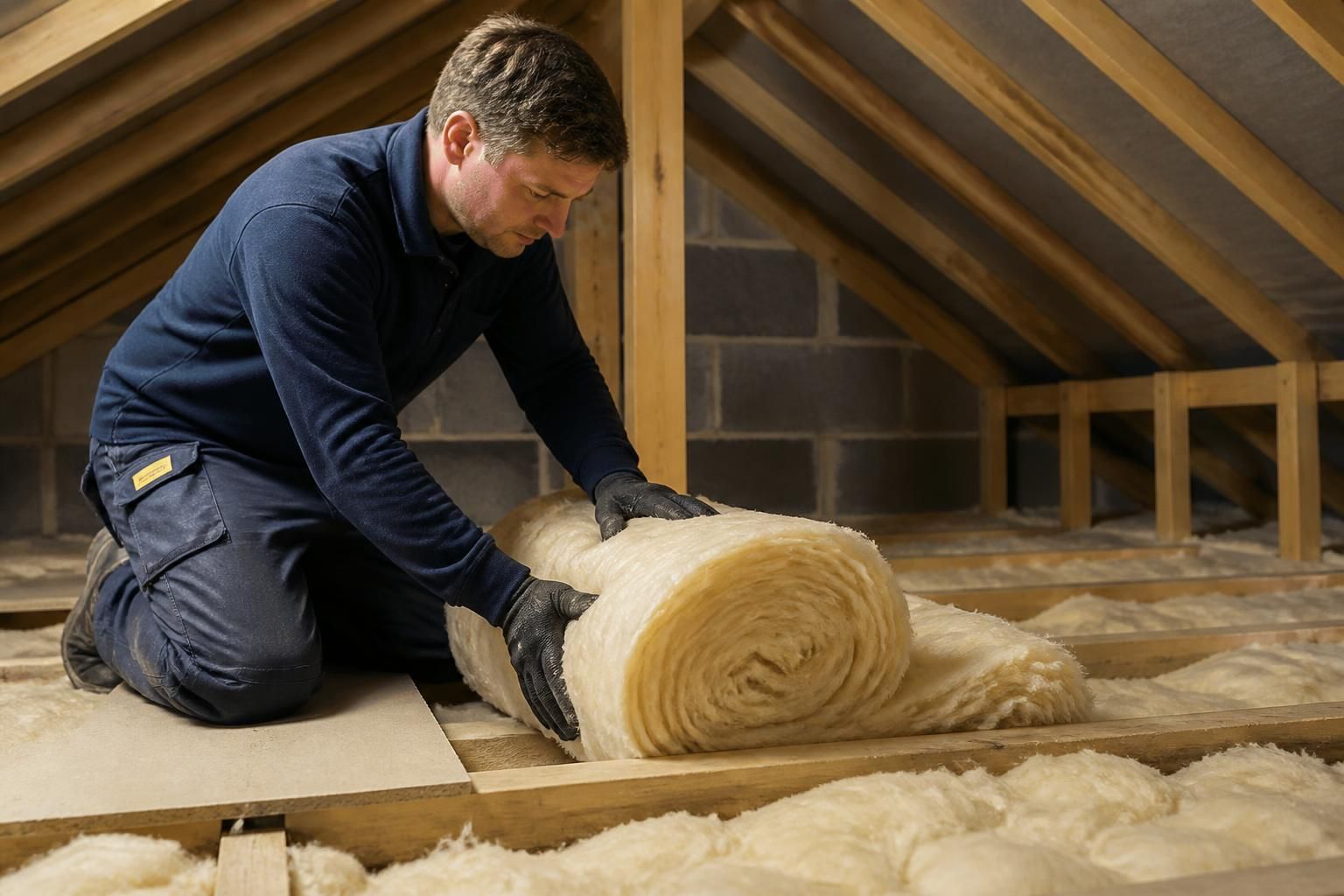
How much does a loft insulation top-up cost?
A loft insulation top-up cost depends on the loft’s size, existing insulation, access and the preparation required. We assess these factors before providing a clear quotation for the work.
There is no fixed loft insulation top-up price because each quotation reflects the work required in that particular loft. The amount of insulation needed, access conditions and the condition of existing materials all affect the final cost.
A top-up usually involves adding insulation over suitable existing insulation rather than removing everything. This can reduce disposal and preparation work, although we still need to check whether the current material is dry, evenly distributed and suitable to remain in place.
Key factors that affect the cost include:
- Loft area: a larger floor area requires more insulation material and more installation time.
- Existing insulation: compressed, damaged or uneven insulation may need attention before the new layer is added.
- Insulation depth: the required amount depends on the existing depth and the level of coverage needed.
- Access: a small hatch, awkward entry point or restricted working area can increase preparation and handling time.
- Loft contents: stored belongings may need to be moved, protected or removed before work starts.
- Obstructions: wiring, water tanks, pipework and structural timbers require careful working around.
- Existing boarding: raised flooring or other boarding may need inspection, partial lifting or temporary removal to reach the insulation beneath.
A quotation should make clear whether it covers materials, installation, preparation and any additional work identified during the assessment. It should also distinguish insulation work from separate improvements, such as a new hatch, loft ladder, lighting or storage area.
Loft insulation top-up costs can therefore differ substantially between two homes with similar floor areas. One loft may have clear access and evenly spread insulation. Another may need sections moved, wiring checked or boarding adjusted before installation can proceed.
Top-up or replacement can change the price
Adding insulation is not always the most appropriate approach. We inspect existing insulation for dampness, contamination, deterioration and compression. Where the material cannot remain in place, removing it can add labour and disposal costs.
Dry, serviceable insulation can often remain in position while additional material is installed. This avoids unnecessary removal, but the final recommendation depends on the loft’s condition and layout.
How boarding affects the quotation
Insulation top-up work and loft boarding are separate items, although they can affect one another. Standard boarding placed directly over deep insulation can compress it and restrict its intended performance.
Where storage flooring is present or planned, we assess the clearance beneath it. LoftZone raised flooring provides storage above insulation, but any alterations required around existing boards are considered separately in the quotation.
Why an assessment matters
A loft inspection identifies the insulation already present, the areas that need additional coverage and any constraints that affect installation. It also helps separate essential preparation from optional storage improvements.
We use the assessment to explain the recommended work and provide a quotation based on the loft rather than a standard assumed size. This gives you a clearer basis for comparing the cost of a top-up with replacement or related loft improvements.
Loftopia can also discuss related access and storage work when it affects how the insulation will be used. The quotation may cover insulation alone, or separate items such as an insulated drop-down hatch, aluminium sliding loft ladder or storage above insulation.
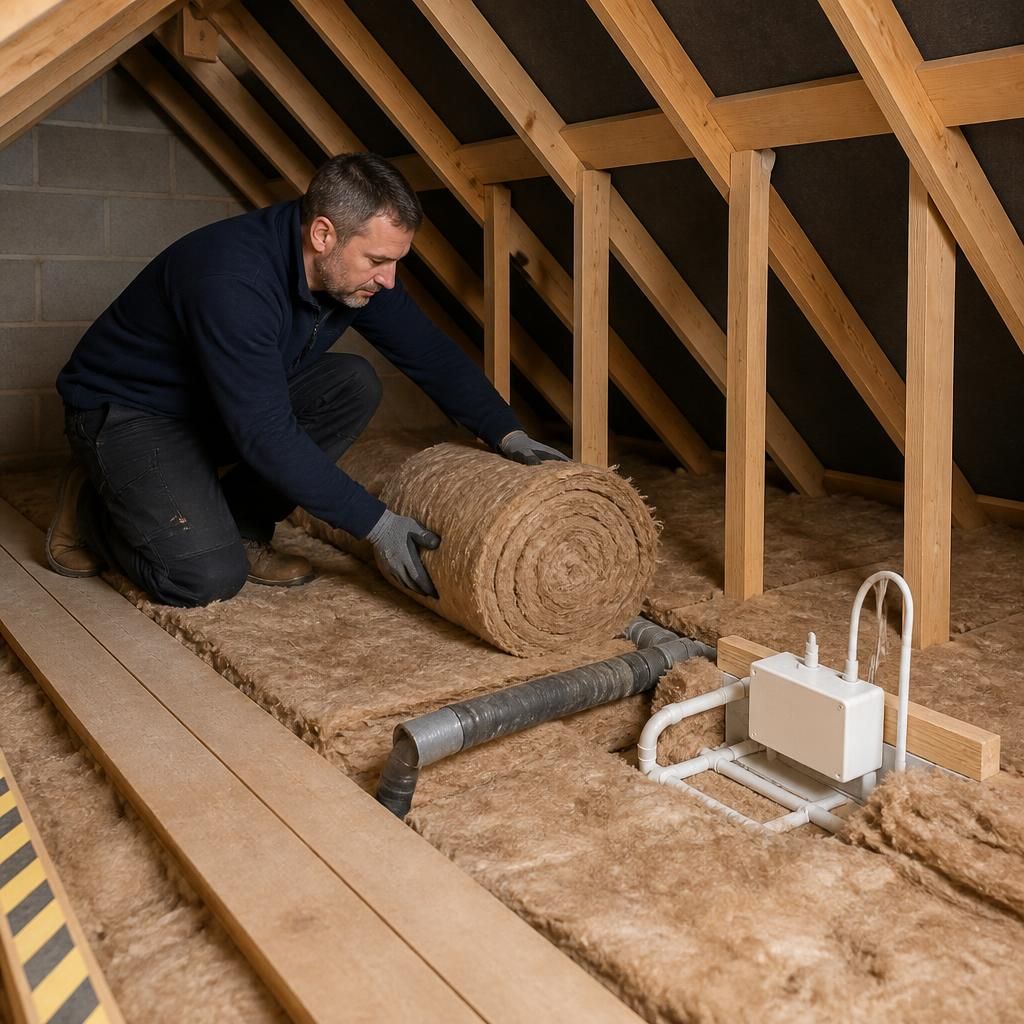
A material-only estimate may not reflect the full cost of a loft insulation top-up. Installation can also involve preparing restricted areas and working around services already in the loft.
When comparing quotations, check that each one identifies the insulation coverage, recommended depth, installation work and any areas that cannot be reached. Comparing the same scope gives a more useful guide than comparing material quantities alone.